
Practical Philodendron Care Guides for Healthier Plants
Growing Philodendrons involves more than following a watering schedule. Light, soil conditions, root health and the needs of individual varieties all affect how a plant grows.
Jefrev shares practical guides to help you understand these differences, care for your plants, propagate new growth and work through common problems such as yellowing leaves, brown spots, root rot and pests. The information draws on hands-on growing experience and relevant horticultural research, with clear explanations you can use in your own growing space.
Practical growing experience informs the guides published here.
What Is a Philodendron? Understanding the Plant Behind the Name
Philodendron is a genus of tropical plants in the Araceae family, the same botanical family that includes Anthuriums, Monsteras and peace lilies. The name covers a large group of plants rather than one particular type of houseplant. Their leaves can be heart-shaped, elongated, deeply divided or almost arrow-like, depending on the species.
According to Kew’s Plants of the World Online, the genus is native to Mexico and tropical America. Its database currently lists 629 accepted species. Botanical names and classifications can change as taxonomic research develops, so this figure should be understood as the database’s current count rather than a permanent number.
Many Philodendrons are climbing or hemiepiphytic plants. A hemiepiphyte can begin growing on the forest floor and climb a tree, or start higher up and send roots downwards. Others grow upright or have more ground-level, rhizomatous growth. These different habits are part of what makes the genus so varied.
This distinction matters when choosing a plant for your home. A climbing Philodendron may need vertical support, while an upright variety needs room around its base. A creeping type needs space to spread horizontally. Treating all three as identical plants can lead to unsuitable support, placement and care decisions.
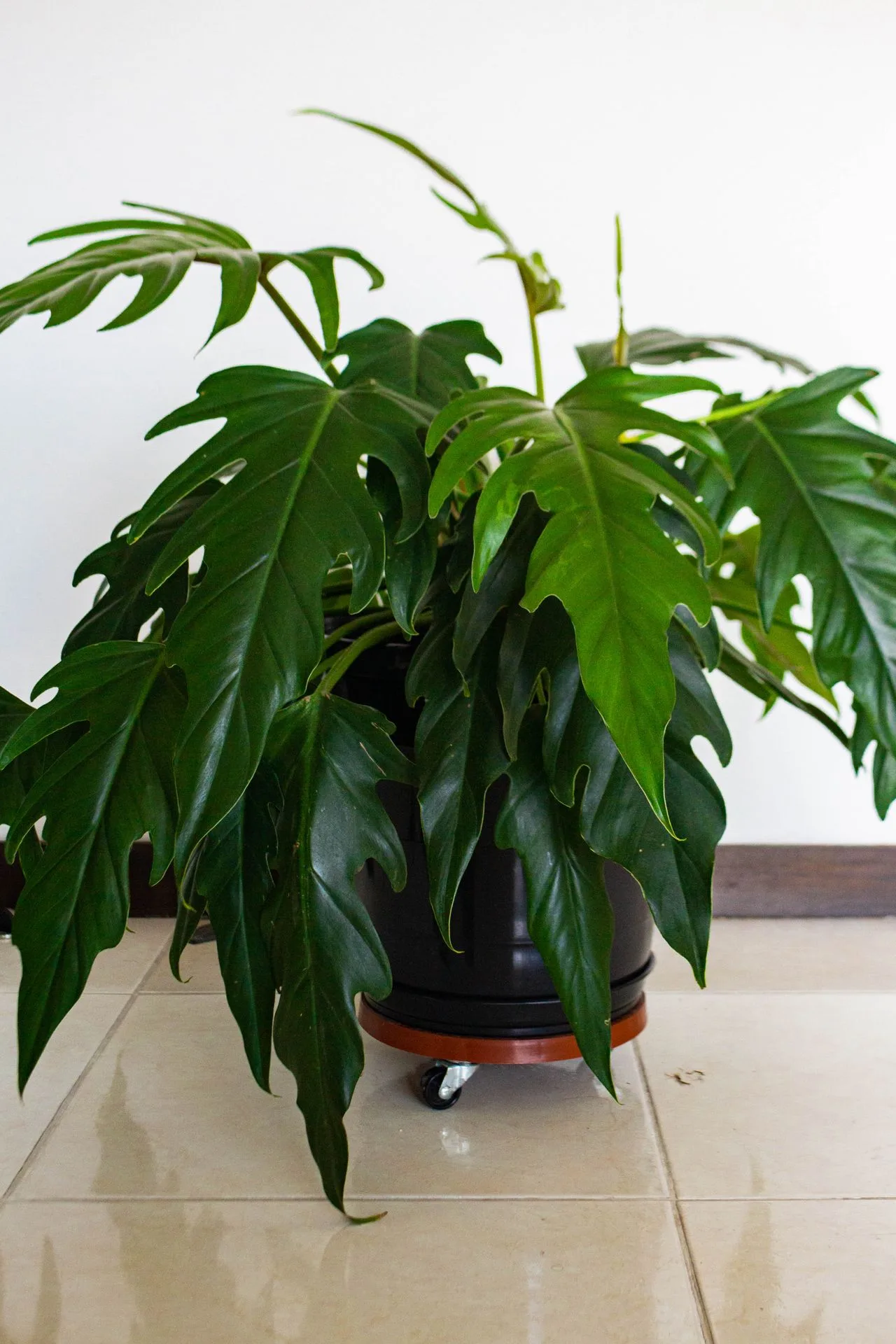
Three Philodendron Growth Habits Every Grower Should Recognise
Leaf appearance is not the only thing to consider when identifying a Philodendron. The way its stem grows tells you a great deal about the space, support and growing arrangement it may need. These three growth patterns are useful to understand before bringing a new plant home.
Climbing and trailing Philodendrons
These plants develop stems that extend away from the main growing point. In nature, many use nearby trees or other structures for support. When grown indoors, their stems can trail from a shelf or climb a suitable support.
A moss pole or another stable support can help a climbing variety grow upwards. Aerial roots along the stem may attach to a suitable surface, so it is worth planning for support before the plant becomes too large to position easily.
Upright or self-heading Philodendrons
Self-heading varieties grow from a compact central stem rather than producing the long climbing vines seen in many other Philodendrons. New leaves emerge from the centre, gradually forming a fuller, upright plant.
These plants generally need room around their base as their leaves spread out. They do not normally need the same type of climbing support as a vining variety. Pot stability and adequate space can become more important as the plant matures.
Creeping and ground-growing Philodendrons
Some Philodendrons develop stems that grow along the surface of the growing medium instead of climbing vertically. Their leaves emerge along this horizontal stem, so the plant gradually occupies more space across the pot.
These plants need a growing arrangement that accommodates their sideways development. A wider, suitable container and room for the stem to extend are usually more useful than forcing the plant onto a vertical pole.
Before choosing a support or pot: identify how the plant’s stem naturally grows. Its growth habit is a better starting point than choosing a container or moss pole based on leaf appearance alone.
Two Growing Misconceptions Worth Clearing Up
General houseplant advice can be useful, but it becomes less reliable when applied to every plant in a large genus. These are two areas where a little extra attention makes a difference.
Rainforest origin does not mean a dark corner is suitable
Many Philodendrons grow beneath taller vegetation in tropical forests, where light is filtered. That does not mean they should be kept in very low light indoors. The Royal Horticultural Society recommends bright, indirect light for Philodendrons. Insufficient light can produce stretched growth and smaller leaves.
A position near a bright window, with protection from harsh direct sunlight where necessary, is a more useful starting point. The ideal position still depends on the species, the strength of the sunlight and the conditions in your home.
Read the RHS Philodendron growing guide ↗A leaf alone is not enough for a stem cutting
A common propagation mistake is cutting off a healthy leaf without including the part of the stem where new growth can develop. For a stem cutting, you need a suitable node. This is the point on the stem where leaves and buds emerge and where new roots may form.
Water, sphagnum moss and suitable potting mixes can all be used for propagation, but the best method depends on the plant and the condition of the cutting. Climbing and trailing Philodendrons are commonly propagated from stem cuttings containing a node. Results and rooting time are not identical for every plant.
Browse Philodendron propagation guides →Find the Right Philodendron Guide for Your Plant
Start with the subject that matches what you are trying to do. The guides below cover different growing questions, so you can go directly to the information you need.
Species-specific care
Look up individual Philodendrons and learn about their appearance, growth habits and indoor growing requirements.
Browse care guides →Propagation methods
Learn how to select a suitable cutting, locate a node and choose an appropriate rooting method for different plants.
Browse propagation guides →Plant problems and diagnosis
Investigate visible changes such as yellowing, brown spots, curling leaves and possible pest damage before changing your plant’s care routine.
Browse problem-solving guides →Working through a watering problem? Start with Philodendron Overwatering vs. Underwatering to understand why similar leaf symptoms can have different causes.
Practical Tools for Planning and Troubleshooting
Some growing tasks are easier to plan with numbers. Others begin with working out what has changed in a plant. Jefrev has two interactive tools for these different situations. Choose the one that matches the job you are trying to do.
Philodendron Potting Mix & Volume Calculator
Getting ready to repot is easier when you have a sensible idea of how much material to prepare. This calculator helps turn your pot dimensions and chosen mix proportions into a quantity plan, making it easier to organise ingredients before you start.
You can work with your own ingredient choices rather than relying on a preset Jefrev recipe. It also gives you a way to plan matching-pot batches, check likely package quantities and keep named recipes in the browser you use. The finished batch sheet can be copied, downloaded as a CSV or printed and saved as a PDF.
Useful features
- Round, square and rectangular pot estimates
- Custom ingredient proportions
- Batch and package planning
- Recipes saved on your device
When is this calculator useful?
It is particularly useful when you are preparing materials ahead of a repotting session, filling several matching containers or checking whether you have enough of each ingredient before mixing.
Keep in mind: the results are estimates based on the measurements and recipe you enter. The tool does not decide whether a particular mix is suitable for an individual Philodendron.
Philodendron Problem Finder
When a Philodendron starts looking different, it is easy to focus on the most noticeable leaf and overlook the conditions around the rest of the plant. The Problem Finder helps bring those observations together before you decide what to change.
Rather than presenting one cause as certain, it organises your selected clues into a shortlist of possible explanations. You can see which answers influenced the results and follow relevant university extension references or Jefrev articles for further investigation.
What it helps you examine
- Leaf appearance and growth changes
- Moisture and root-zone clues
- Light, recent changes and pest signs
- Answers linked to possible explanations
- Further reading for your next checks
When is this checker useful?
Use it when the symptoms are not pointing clearly to one explanation, or when several growing conditions may have changed around the same time. It can help you organise what you have noticed before making a care decision.
Important: this is an educational troubleshooting aid, not a confirmed plant diagnosis. Check the evidence before applying any treatment.
Not sure which one to use? Choose the calculator when you are preparing a potting mixture. Choose the Problem Finder when you are trying to make sense of changes in a plant.
Latest Guides
These are the newest guides on the blog, usually pulled straight from whatever I’m dealing with in my own collection and researches I have been making that week. New posts go up regularly, so it’s worth checking back if you’re working through a specific problem.
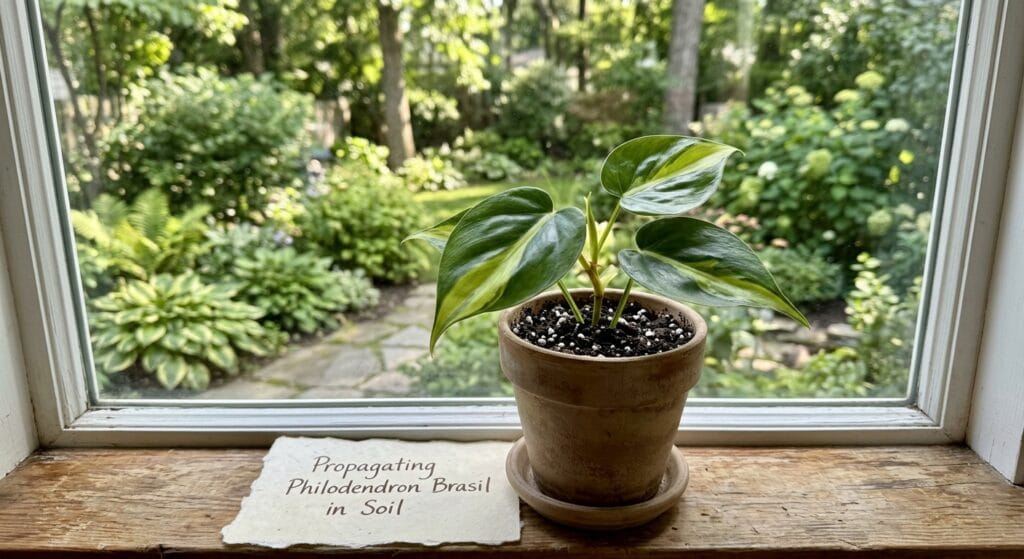
Propagating Philodendron Brasil in Soil: Getting the Cutting and Planting Depth Right
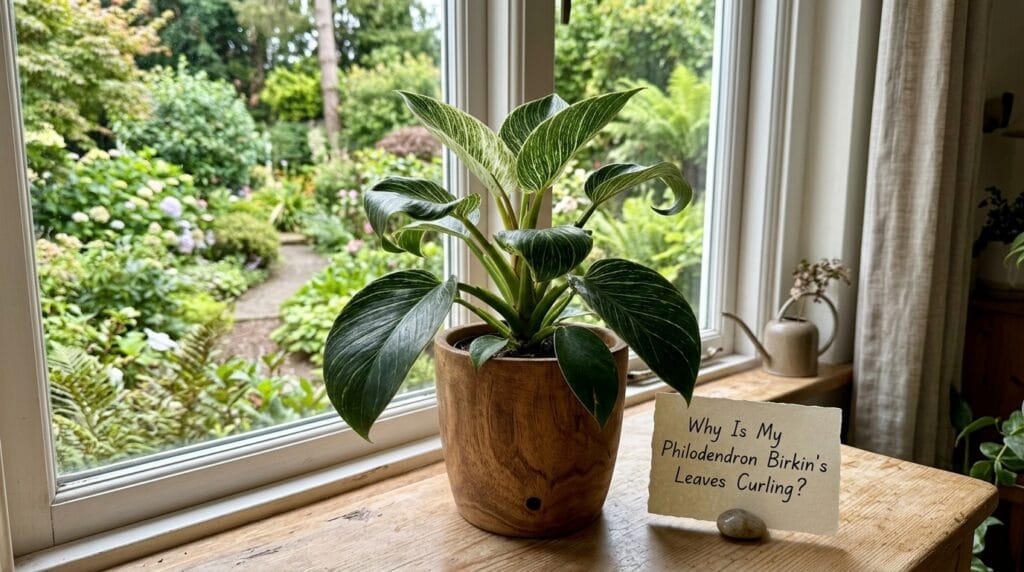
Philodendron Birkin Leaves Curling and Drooping: Causes and What to Do
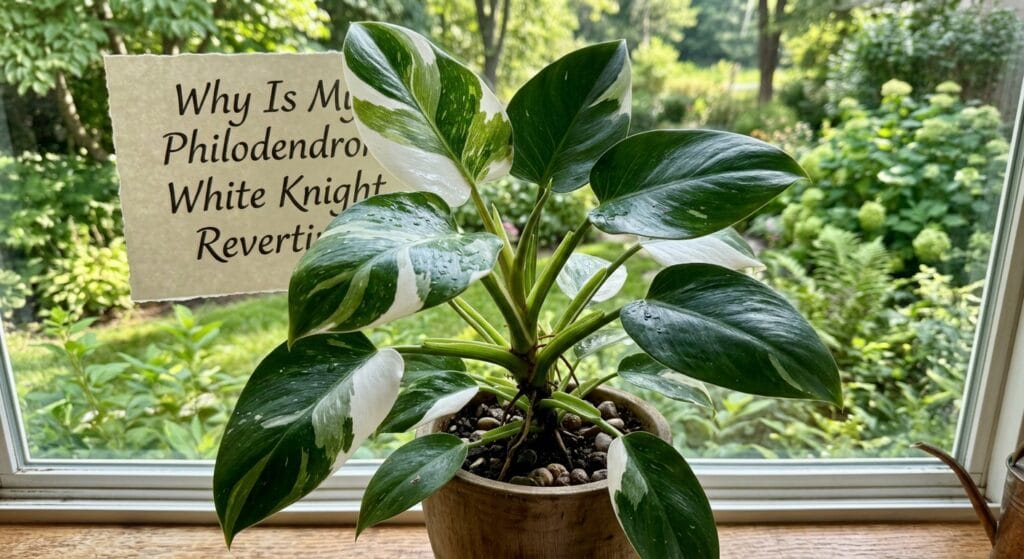
Why Is My Philodendron White Knight Reverting? How to Identify Green Growth and What to Do
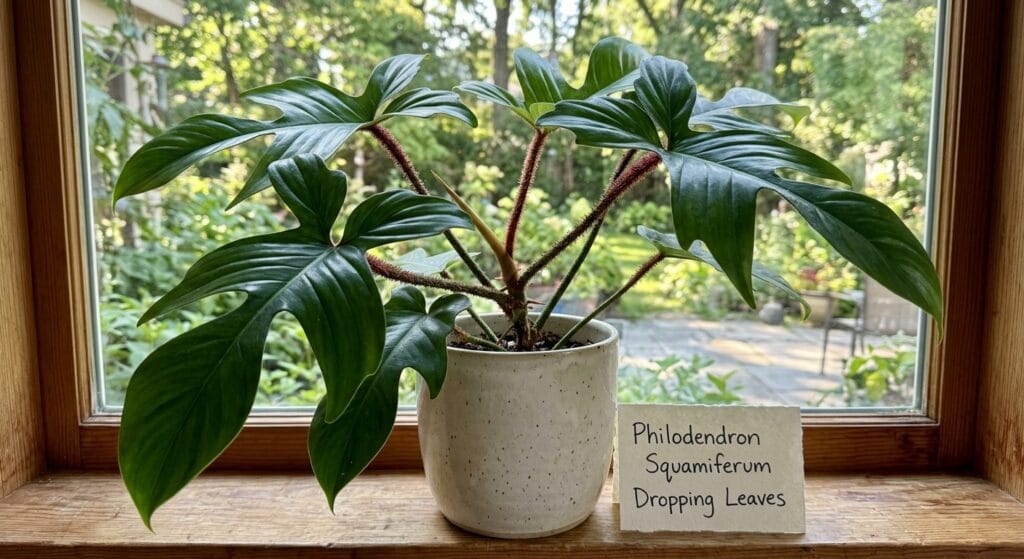
Philodendron Squamiferum Dropping Leaves: How to Find the Cause and Stop Further Loss
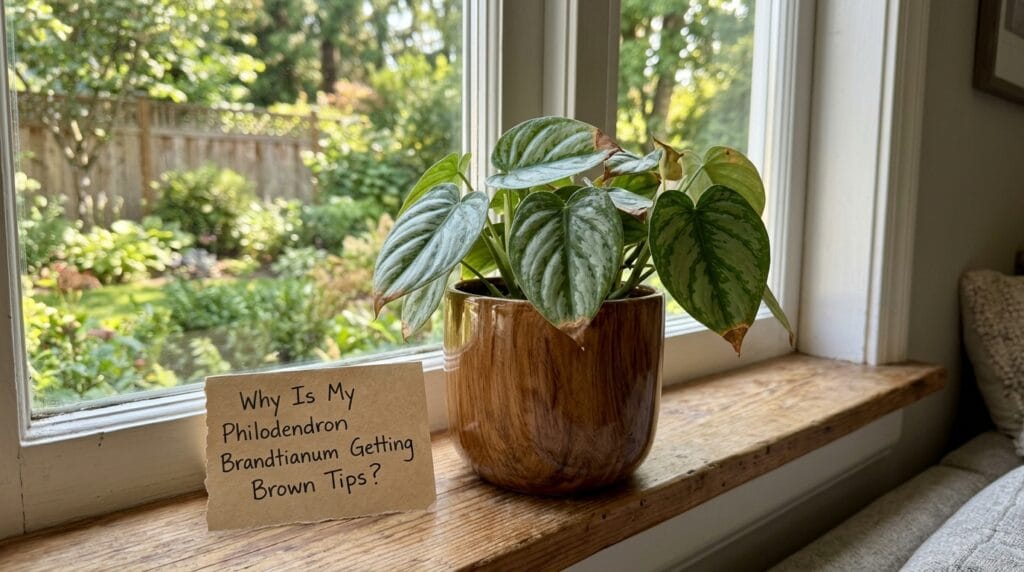
Philodendron Brandtianum Brown Tips: What to Check Before Changing Its Care
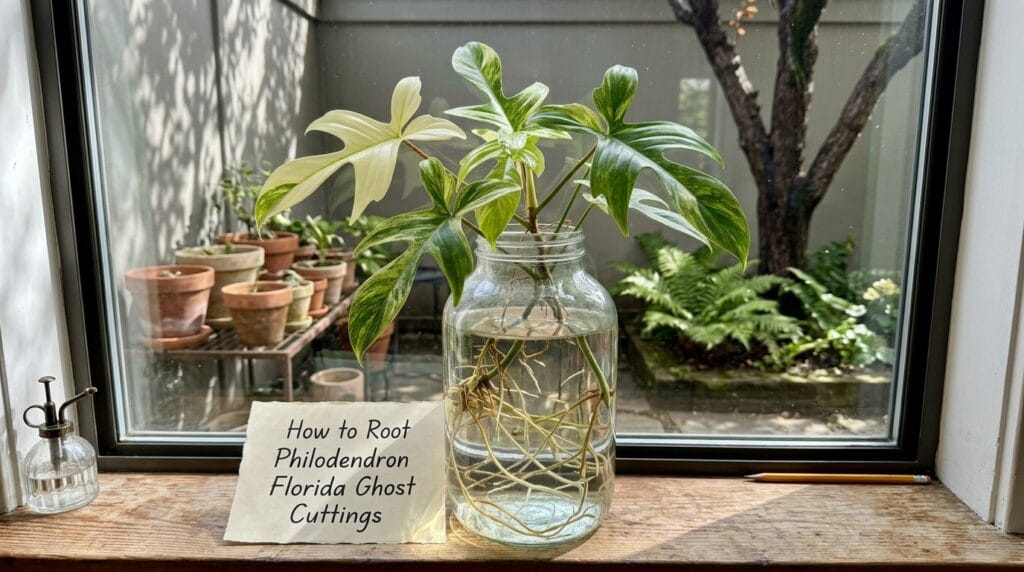
How to Root Philodendron Florida Ghost Cuttings (What Actually Works)
How Jefrev Approaches Philodendron Care Advice
Good plant care advice should help you understand the plant in front of you, not make you follow a routine that ignores its growing conditions.
Jefrev is written by Jeff Rev. The articles bring together practical Philodendron growing experience and research from relevant botanical and horticultural sources. The balance depends on the subject: a guide based on direct growing observations is different from one explaining a botanical classification or a plant health problem.
That distinction matters when you are trying to identify a problem. A yellow leaf or brown patch does not always point to one cause. Recent changes in light, watering, growing medium, root condition and pest activity may all be relevant. Looking at the wider pattern is more useful than treating a symptom without checking what caused it.
For example, the guide to brown spots on Philodendron mamei explains why natural leaf markings should be distinguished from damaged tissue and why several possible causes need to be considered before choosing a treatment.
Experience has context
What happens to one plant is an observation, not a guarantee that every Philodendron will respond the same way.
Research adds perspective
Botanical and horticultural references help put growing observations into a wider, more reliable context.
Diagnosis needs evidence
When symptoms have several possible causes, it is better to explain what to check than to present an uncertain guess as a definite diagnosis.
Independent horticultural resources
These university resources provide additional information on Philodendron care and common indoor plant problems.