Why Is My Philodendron Brandtianum Getting Brown Tips? (7 Real Causes and Fixes)

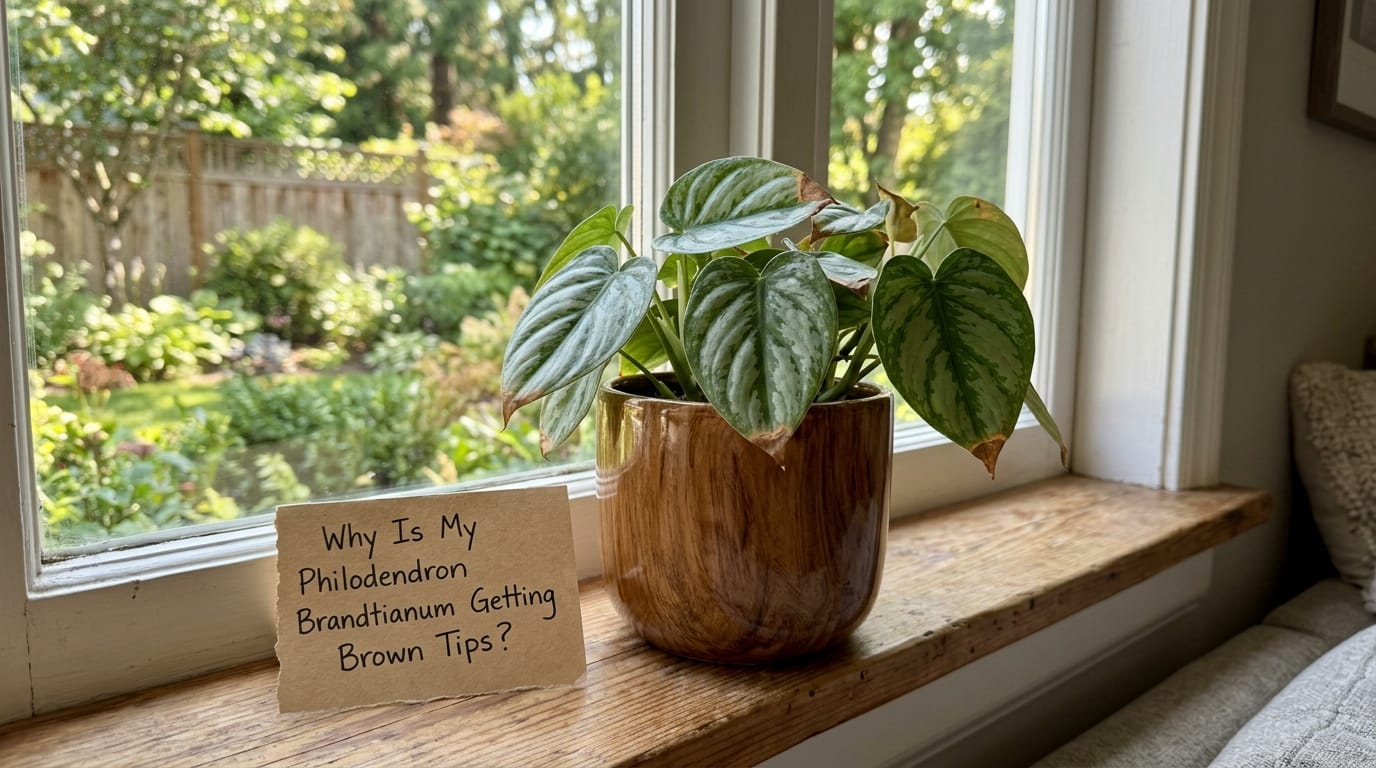
Brown tips on a Philodendron brandtianum almost always trace back to one thing: stressed leaf tissue that can’t hold water anymore.
The tricky part is figuring out exactly why that stress happened in your home.
Brandtianum was honestly one of the harder plants in my collection to dial in.
I grew it alongside thicker-leaved philodendrons for two full years before I understood what made it behave differently.
Here’s what matters: those thin, silvery leaves aren’t just decorative. They’re a direct signal of how the plant is coping.
When something is off — humidity, water quality, light — the tips are the first place it shows up, and they show up fast.
Once you know which variable caused it, the fix is usually simple.
Below are the real causes I’ve seen, tested, and corrected on my own plants. No guesswork — just what actually changes things.
The Quick Answer
Brown tips usually come from one or more of these: low humidity, hard tap water, inconsistent watering, fertilizer buildup, too much direct light, cold drafts, or a rootbound pot.
Most of the time it’s not just one cause. It’s two or three stacking together over a few weeks.
Cause 1: Low Humidity Is the Most Common Culprit
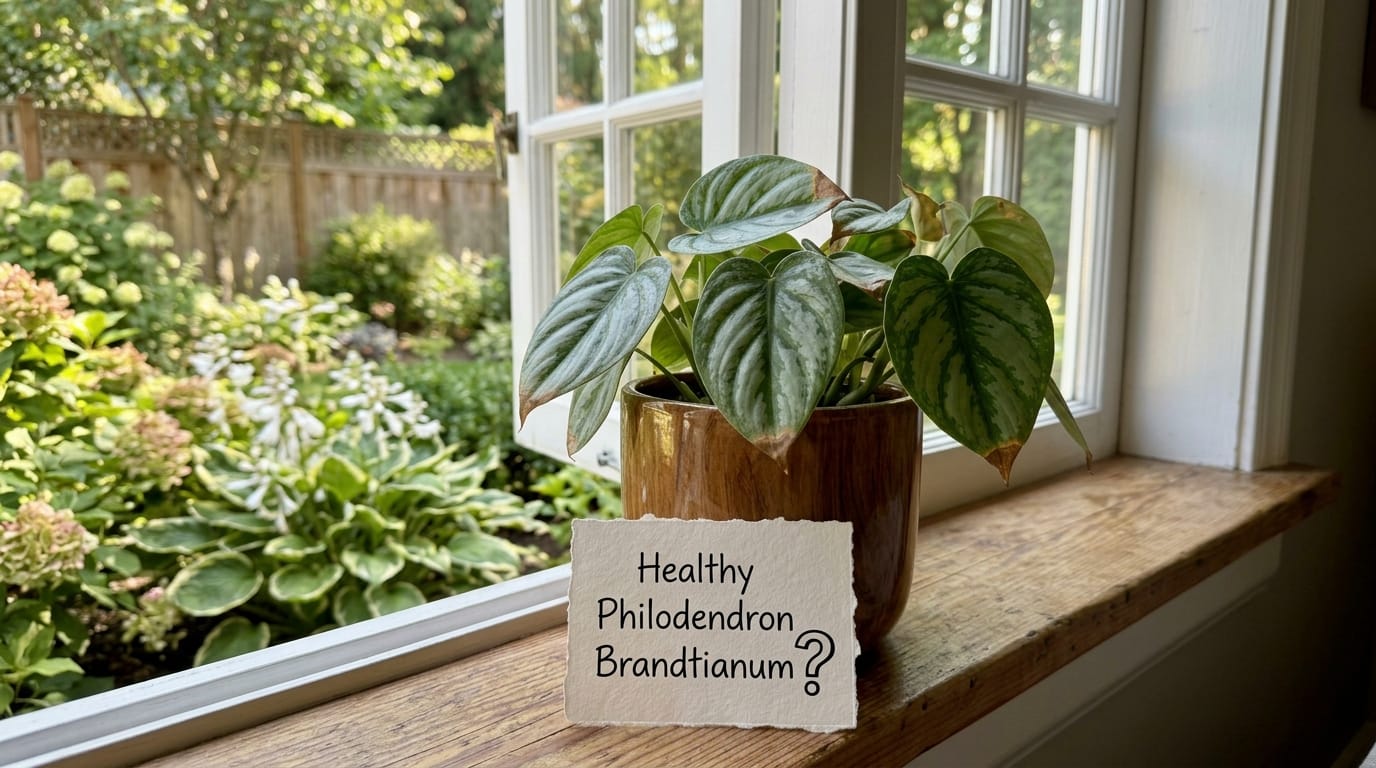
Philodendron brandtianum comes from humid tropical understories. It’s used to air that holds a lot of moisture, not the dry air in most American homes.
Average indoor humidity in a US home sits between 30 and 50 percent, especially during heating season. That’s a big gap from the 60 to 80 percent this plant prefers in its native range.
When the air is too dry, water evaporates from the leaf faster than the roots can replace it. The thinnest part of the leaf, the tip, dries out first.
You’ll notice this cause most in winter, right after the furnace kicks on. Brown tips tend to show up in clusters during that stretch.
Fix: Run a humidifier near the plant, group it with other plants, or set it on a pebble tray. Skip misting, since it barely raises humidity and can invite fungal spots.
For more on why humid air matters so much to this species, my full Philodendron Brandtianum Care Indoors guide breaks down exact humidity targets by season.
Cause 2: Tap Water Quality
Municipal tap water often carries chlorine, chloramine, fluoride, and dissolved salts. Philodendrons are sensitive to mineral buildup in the soil over time.
These minerals collect at the leaf tip, since that’s where water finally stops moving through the plant. Over weeks, that buildup shows up as crisp, brown edges.
This isn’t unique to brandtianum. It’s a well documented issue across many houseplants sensitive to fluoride and salt accumulation. University of Florida IFAS Gardening Solutions covers how water quality affects overall houseplant health.
Fix: Let tap water sit out for 24 hours before watering to let chlorine evaporate. Better yet, switch to filtered, distilled, or rainwater if tips keep browning.
I switched my whole collection to filtered water two years ago. Brown tip complaints across my brandtianum plants dropped noticeably within a month.
Cause 3: Inconsistent Watering Rhythm
This is the cause people miss most often. It’s not just “too much” or “too little” water. It’s the swing between the two.
Letting the soil dry out completely, then drenching it, stresses roots hard. So does keeping soil constantly soggy in a mix that doesn’t drain well.
Both extremes damage the fine root hairs that pull in water. Damaged roots can’t keep up with what the leaves need, and tips brown first.
Brandtianum wants soil that dries out slightly between waterings, not bone dry, not swampy. Check the top 1 to 2 inches with a finger before watering again.
Fix: Build a consistent schedule based on soil feel, not the calendar. Use a well draining aroid mix so water moves through evenly.
A mix with chunky bark, perlite, and regular potting soil works well. It holds enough moisture without trapping water around the roots.
Cause 4: Fertilizer Salt Buildup
Fertilizer helps growth, but too much of it turns into a problem fast. Salts from fertilizer accumulate in the soil the same way tap water minerals do.
Those salts pull moisture away from roots instead of helping them absorb it. The result looks identical to underwatering: crispy, brown leaf tips.
This happens most when people fertilize every watering at full strength. Philodendrons, brandtianum included, don’t need that much feeding to stay healthy.
Clemson Cooperative Extension’s HGIC has solid guidance on how salt buildup damages houseplant roots over time.
Fix: Feed at quarter to half strength, once a month during spring and summer. Flush the soil with plain water every few months to clear out buildup.
I made this mistake early on with a Paraiso Verde in my collection, and the tips paid for it. That experience is part of why I cover fertilizer burn signs in that plant’s guide too.
Cause 5: Too Much Direct Light or Heat
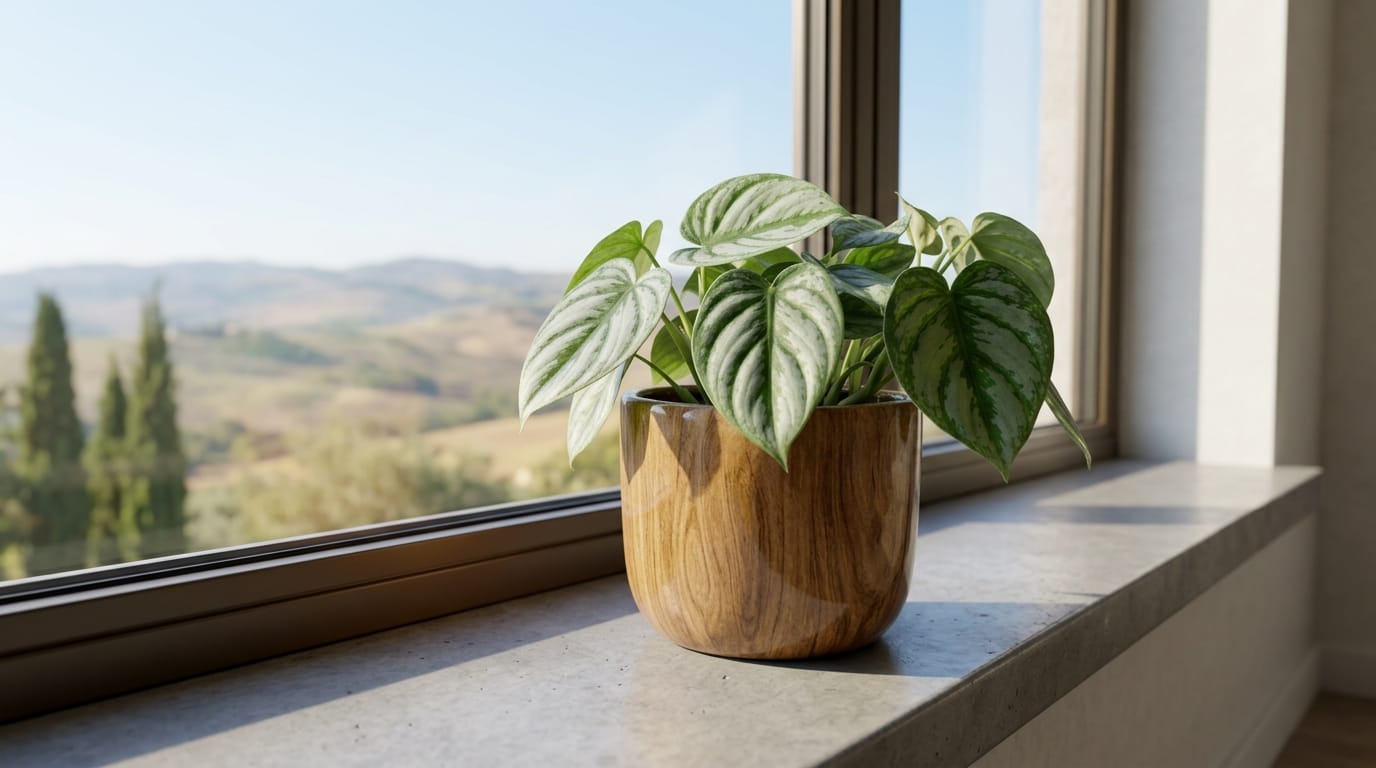
Brandtianum leaves are delicate. Direct sun, especially through a south or west facing window, can scorch them within hours.
That scorching often starts at the tips and edges before spreading inward. It’s different from humidity-related browning because it tends to hit one side of the plant harder.
Heat from nearby vents, radiators, or sunny glass can dry leaves out fast, even without direct sun hitting them. The plant loses water faster than roots can resupply it.
Fix: Move the plant a few feet back from harsh windows, or add a sheer curtain to diffuse light. Bright, indirect light is the sweet spot for this species.
Cause 6: Cold Drafts and AC Vents
Sudden temperature swings stress tropical plants more than people expect. Brandtianum doesn’t handle cold air blasts well, whether from a window or an AC vent.
Cold air dries leaf tissue quickly and can shock the plant’s water uptake. This is especially common near doors that open to the outside in winter.
Fix: Keep the plant away from drafty windows, exterior doors, and direct AC or heater airflow. A stable spot with consistent temperature works best.
Cause 7: A Rootbound Pot
When roots fill a pot completely, they can’t access enough soil moisture or nutrients. The plant compensates by pulling resources from older leaves first.
Tip browning combined with slower growth and a pot that dries out unusually fast often points to this. Check by gently sliding the plant out of its pot.
Fix: If roots are circling tightly with little soil visible, size up the pot by 1 to 2 inches. Fresh mix and more room usually solves it within a few weeks.
How to Tell Which Cause Is Yours
Pattern matters more than the color itself. A few clues can narrow things down fast.
- Brown tips on older leaves only, new growth clean: usually water quality or fertilizer salts.
- Brown tips across the whole plant at once: usually humidity or a recent watering swing.
- Brown tips on the side facing a window: usually light or heat stress.
- Brown tips paired with slow growth and a fast-drying pot: usually rootbound roots.
- Brown tips with speckling, webbing, or spots on leaf undersides: check for pests, not moisture.
Look at the newest leaf first. If it’s clean and healthy, the plant may already be recovering from an old stress.
What Trimming Actually Does (and Doesn’t Do)
Trimming brown tips won’t fix the underlying cause. The tissue is already dead and won’t turn green again.
Cutting them off with clean scissors improves appearance and can prevent further tearing along the damaged edge. Cut along the natural leaf shape, not straight across.
Trim only if you want, not because the plant needs it. Focus your energy on fixing the actual cause instead.
A Simple Recovery Routine
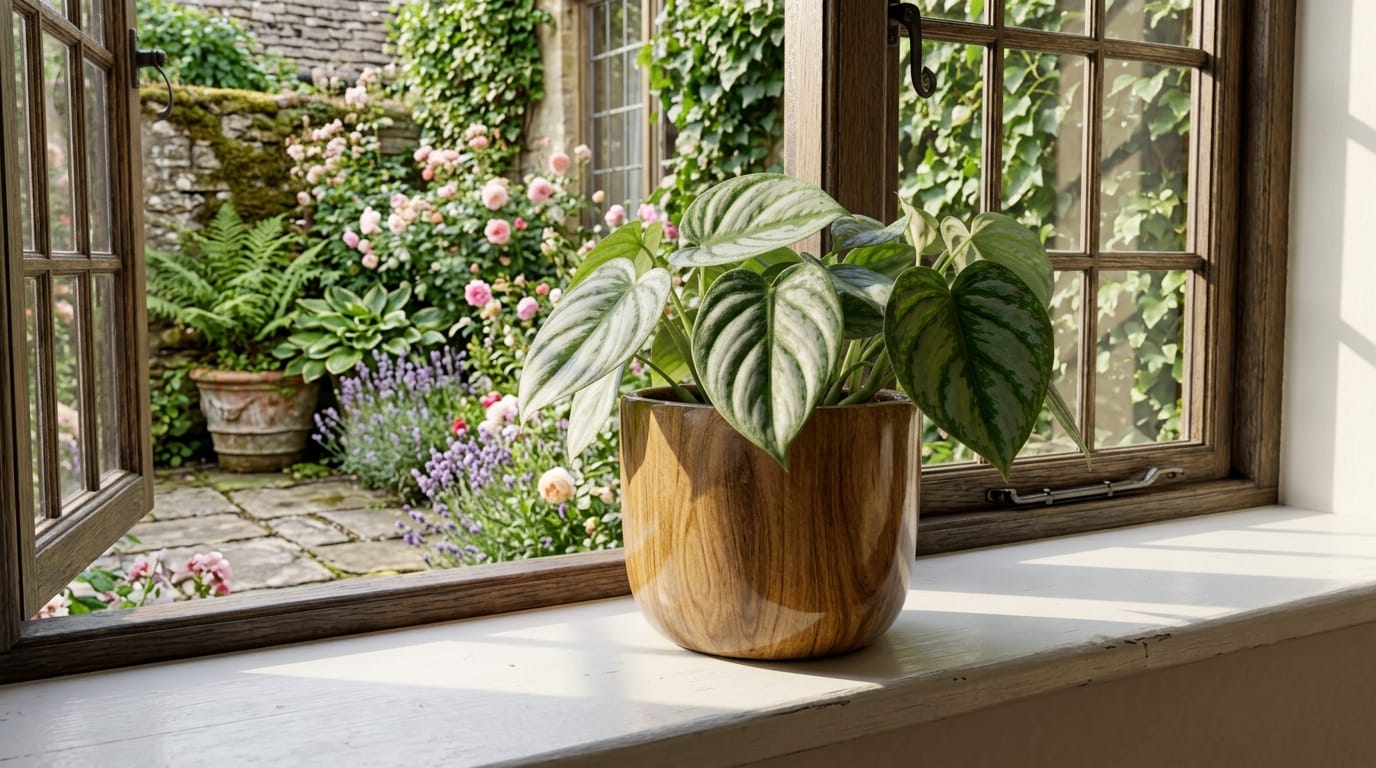
Here’s the order I follow whenever a brandtianum in my own collection starts showing brown tips.
- Check the soil moisture and recent watering history first.
- Test humidity near the plant with a cheap hygrometer.
- Flush the pot with plain filtered water to clear salts.
- Move the plant away from vents, drafts, or harsh sun.
- Check roots if the pot dries out unusually fast.
- Wait 2 to 3 weeks and watch new growth, not old damage.
New, clean leaves are the real sign of progress. Old brown tips staying brown doesn’t mean the fix failed.
Prevention Checklist for Healthy Silver Leaves
A few consistent habits keep brandtianum from developing brown tips in the first place.
- Keep humidity above 50 percent, ideally 60 to 80 percent.
- Water when the top 1 to 2 inches of soil feel dry.
- Use filtered, distilled, or rested tap water.
- Fertilize lightly, once a month, at reduced strength.
- Keep the plant in bright, indirect light only.
- Repot every 1 to 2 years before roots get crowded.
None of these habits are complicated on their own. The trick is doing them consistently, not perfectly.
Frequently Asked Questions
Will brown tips turn green again?
No. Once tissue dies, it stays brown. Focus on preventing new damage instead of reversing old spots.
Is one brown tip a big deal?
Not usually. A single tip on an older leaf is common and often just minor stress. Watch for a pattern before assuming a serious problem.
Can I just cut off the whole leaf?
Only if most of the leaf is damaged. Otherwise trim the brown section and leave the healthy tissue to keep photosynthesizing.
Does brandtianum need more humidity than other philodendrons?
Its thin, silvery leaves are more sensitive than thicker-leaved species. Comparing it to a hardier plant like Philodendron Micans shows how much leaf thickness affects tolerance.
How fast should I expect improvement?
New growth usually shows results within 3 to 6 weeks of fixing the cause. Older leaves won’t recover, but new ones will look healthier.
A Final Thought From My Own Growing Notes
Brown tips frustrated me for years before I started tracking what actually caused them. Writing it down, plant by plant, made the pattern obvious eventually.
If you’re troubleshooting more than brown tips, my pest and disease diagnosis guides cover other common philodendron problems I’ve run into. And if you’re curious how this whole collection started, the about page has the full story.
Every home is a little different, and every plant responds a little differently too. Watch the new growth, stay consistent, and the silver leaves usually come back strong.