Philodendron Brandtianum Care Indoors: The Complete Silver Leaf Guide (2026)

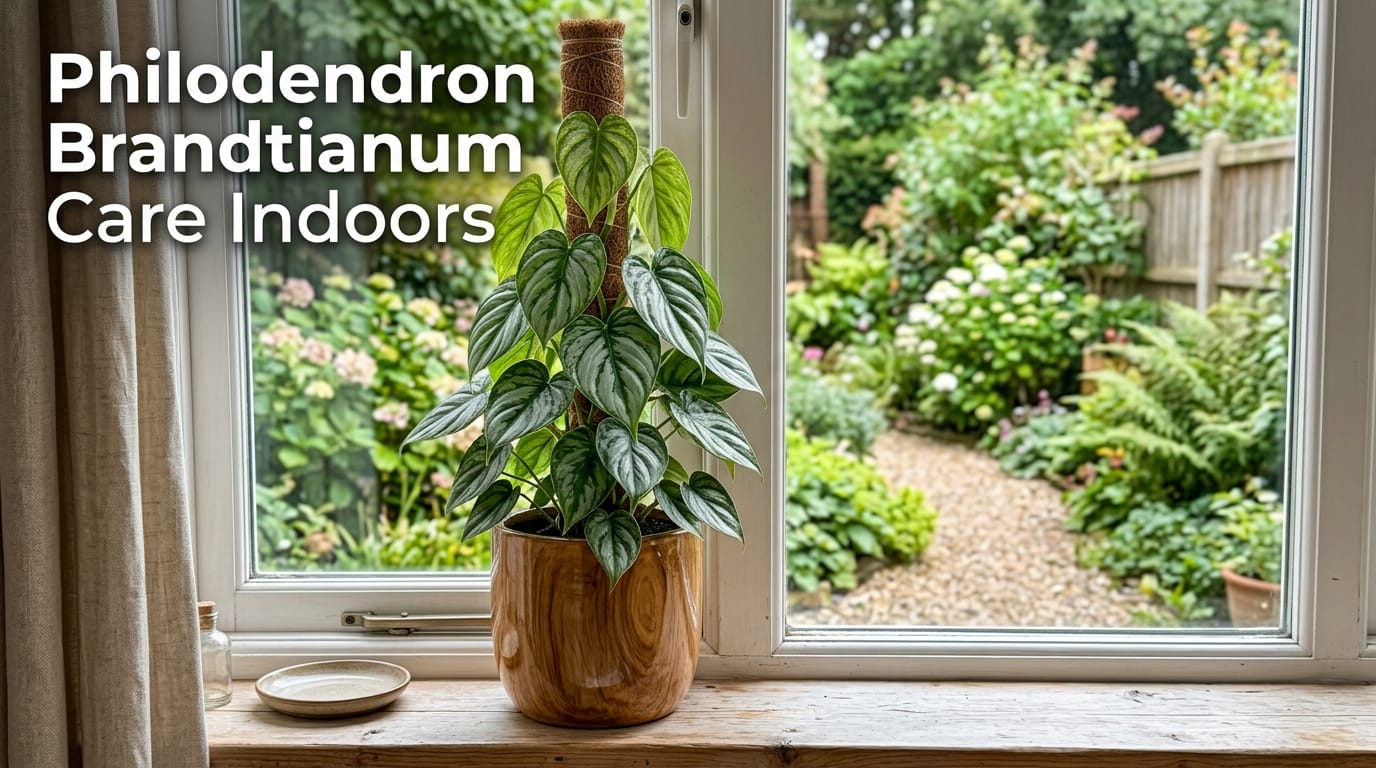
The Philodendron Brandtianum earns a second look from almost everyone who sees it for the first time.
The leaves are heart-shaped, olive-green, and covered in heavy silver or white patches that shimmer when the light catches them at the right angle.
It genuinely looks like something painted by hand rather than grown.
I brought home my first Brandtianum about six years ago from a local plant swap. Back then it was a genuinely obscure plant.
Today it has become one of the most widely kept philodendrons in the US community, partly because it is more forgiving than its exotic looks suggest, and partly because prices have come down to a range that makes it accessible.
That said, “easy to keep alive” and “easy to get thriving” are not the same thing with this plant.
Getting it to produce large, showy leaves with bold silver markings takes some specific attention around humidity and light.
After years of growing it under different indoor conditions, I put together this guide to cover what actually makes a difference and what does not.
What Is Philodendron Brandtianum?
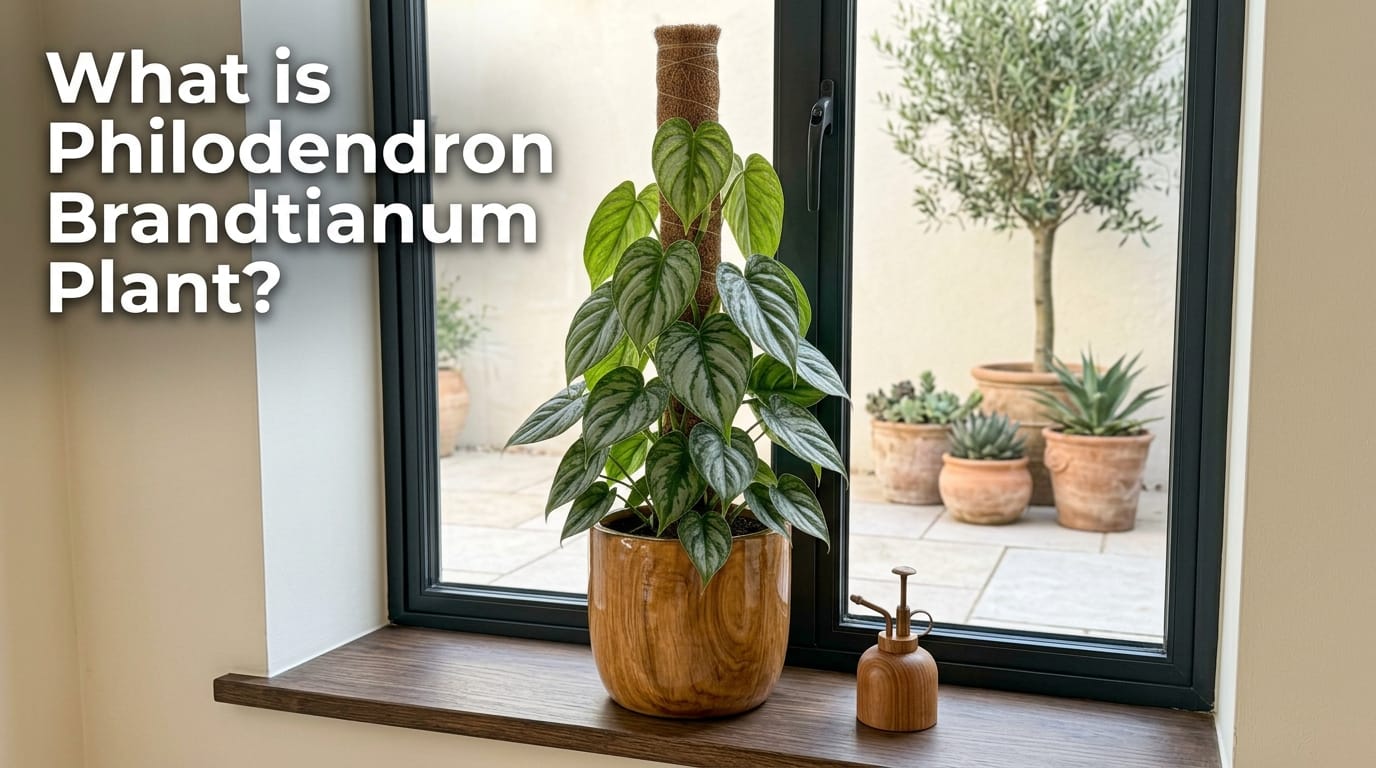
Philodendron Brandtianum is a tropical vining plant known mostly for its one-of-a-kind leaves. The leaves are heart-shaped and covered with heavy silver or white markings over a dark olive-green base.
It belongs to the Araceae family, which also includes other popular indoor plants like Monstera, Peace Lily, and Pothos. Like most philodendrons, it is a climber by nature. In the wild, it attaches itself to tree trunks and climbs upward looking for sunlight.
What makes this plant special for indoor growers is how easy it is to keep alive. It does not need constant watering, does not demand perfect conditions, and still looks like a showpiece in any room.
You can grow it in a hanging basket where it trails down, or give it a moss pole to climb up. Either way, it adds real visual interest to your home without asking for much in return.
Scientific, Botanical, and Common Names
- Scientific / Botanical Name: Philodendron brandtianum K. Krause
- Family: Araceae
- Genus: Philodendron
- Species: P. brandtianum
- Common Names: Silver Leaf Philodendron, Philodendron Brandi, Silver Heart Philodendron, Brandt’s Philodendron
The species was formally described by the German botanist Karl Krause, which is why “K. Krause” appears after the scientific name. You can verify its official classification at Plants of the World Online, Royal Botanic Gardens, Kew.
The name “Philodendron” comes from two Greek words: “Philo,” meaning love, and “dendron,” meaning tree. So this plant is literally called “tree lover,” which makes perfect sense since it loves climbing trees in the wild.
One thing to note: Philodendron Brandtianum is sometimes confused with the Scindapsus pictus (Silver Satin Pothos) and with Philodendron hederaceum. They may look similar at first glance, but they are different plants. The brandtianum has heavier, bolder silver markings and a thicker, slightly rounder leaf structure. More on plant identification can be found at Wikipedia’s Philodendron brandtianum page.
Native Range and Origin
Philodendron Brandtianum is native to tropical South America. It grows naturally in parts of southern Colombia, northern Brazil, Bolivia, Peru, and Ecuador.
In these regions, the plant lives in seasonally dry forests and tropical lowlands. It grows as an epiphyte, which means it clings to and climbs the trunks and branches of trees without taking nutrients from the host. It uses its host trees only as a support structure to reach higher where sunlight is stronger.
The plant naturally grows under a canopy of taller trees. This means it receives filtered, dappled sunlight rather than harsh direct sun. This is very important to understand because it tells you exactly the kind of light it prefers indoors.
Knowing where a plant comes from always helps you give it the right care. The warm, humid, filtered-light environment of South American rainforests is the ideal template to recreate at home.
Characteristics and Features
Here is a quick overview of the key features of Philodendron Brandtianum:
| Feature | Detail |
|---|---|
| Plant Type | Tropical climbing epiphyte |
| Leaf Shape | Heart-shaped to elongated oval |
| Leaf Color | Olive green with heavy silver or white markings |
| Growth Type | Climber and trailer |
| Indoor Height | 4 to 5 feet (120 to 150 cm) |
| Outdoor Height | Up to 15 feet (450 cm) |
| Growth Rate | Moderate |
| USDA Hardiness Zones | 9b to 11 |
| Toxicity | Toxic to pets and humans |
| Air Purifying | Yes |
Appearance
The Philodendron Brandtianum is a stunning plant to look at. Its leaves are the main attraction, and they do not disappoint.
Each leaf is heart-shaped or elongated, and when mature, a single leaf can measure between 4 and 12 inches long depending on growing conditions. The leaf surface is a rich olive-green color with irregular silver or white patches that spread across the surface between the veins.
The silver patches are so pronounced that, in good light, the leaves actually appear to shimmer. This metallic-like effect makes the plant look like it was hand-painted, and it is one reason collectors love it so much.
Young leaves often start out with a warm orange or reddish tone. As they mature and unfurl, they shift to that signature olive-green and silver pattern. Watching this color transformation happen is one of the little rewards of growing this plant.
The stems are long and trailing, and the plant puts out aerial roots along these stems. These roots help the plant anchor itself to a support like a moss pole when you give it one.
Growth Pattern
Indoors, the Philodendron Brandtianum has a moderate growth rate. It will not explode with new leaves every week, but in the right conditions, it puts out fresh growth regularly during the spring and summer months.
The plant grows in two ways depending on how you set it up. Give it a moss pole or trellis, and it will climb upward, pushing its aerial roots into the support and producing larger, more impressive leaves over time. Place it in a hanging basket with no support, and the vines will trail downward, creating a flowing, cascading look.
One thing worth knowing from experience is that the leaves tend to grow bigger when the plant climbs upward compared to when it trails down. If larger leaves are your goal, a climbing support makes a real difference.
The plant can reach 4 to 5 feet tall or long indoors under normal growing conditions. In outdoor tropical environments, it can exceed 15 feet. In USDA hardiness zones 9b through 11, it can be grown outdoors year-round.
Dormancy
Philodendron Brandtianum does not go into a true dormancy like some outdoor garden plants do. However, its growth does slow down noticeably during the fall and winter months.
During the cooler, darker months of the year, the plant conserves its energy. New leaf production slows down or stops. The plant is not dead or dying, it is just resting.
During this slower period, you should also slow down your care routine. Water less frequently, stop or reduce fertilizing, and avoid repotting during this time. Pushing the plant too hard in winter can cause stress and health issues.
When spring arrives and daylight hours increase, the plant will naturally wake up and begin growing again. This is the best time to fertilize, repot, or propagate your Brandtianum.
Benefits of Growing Philodendron Brandtianum Indoors
Growing this plant at home comes with several real benefits:
Air Purification: Philodendrons, including the Brandtianum, help remove certain toxins from indoor air. This includes chemicals like formaldehyde that can come from furniture, carpets, and household products. While a single plant will not completely clean the air of a large room, it does make a positive contribution to your indoor environment.
Aesthetic Value: The silver-splashed leaves add a unique visual texture to any room. Whether placed on a shelf, hung in a basket, or mounted on a pole near a bright window, this plant draws the eye and starts conversations.
Low Maintenance: Once you get the basic conditions right, the Brandtianum is forgiving. It can handle a missed watering or a day without perfect humidity without falling apart. This makes it a good choice for busy people who still want a beautiful houseplant.
Versatility: It works as a hanging plant, a climbing plant, a tabletop plant, or even in a terrarium when young. Few plants offer this level of flexibility.
Beginner Friendly: Despite its exotic looks, this plant does not require high-level expertise to keep alive. Get the light and watering basics right, and it will reward you.
Care Guide for Philodendron Brandtianum Indoors
Sunlight
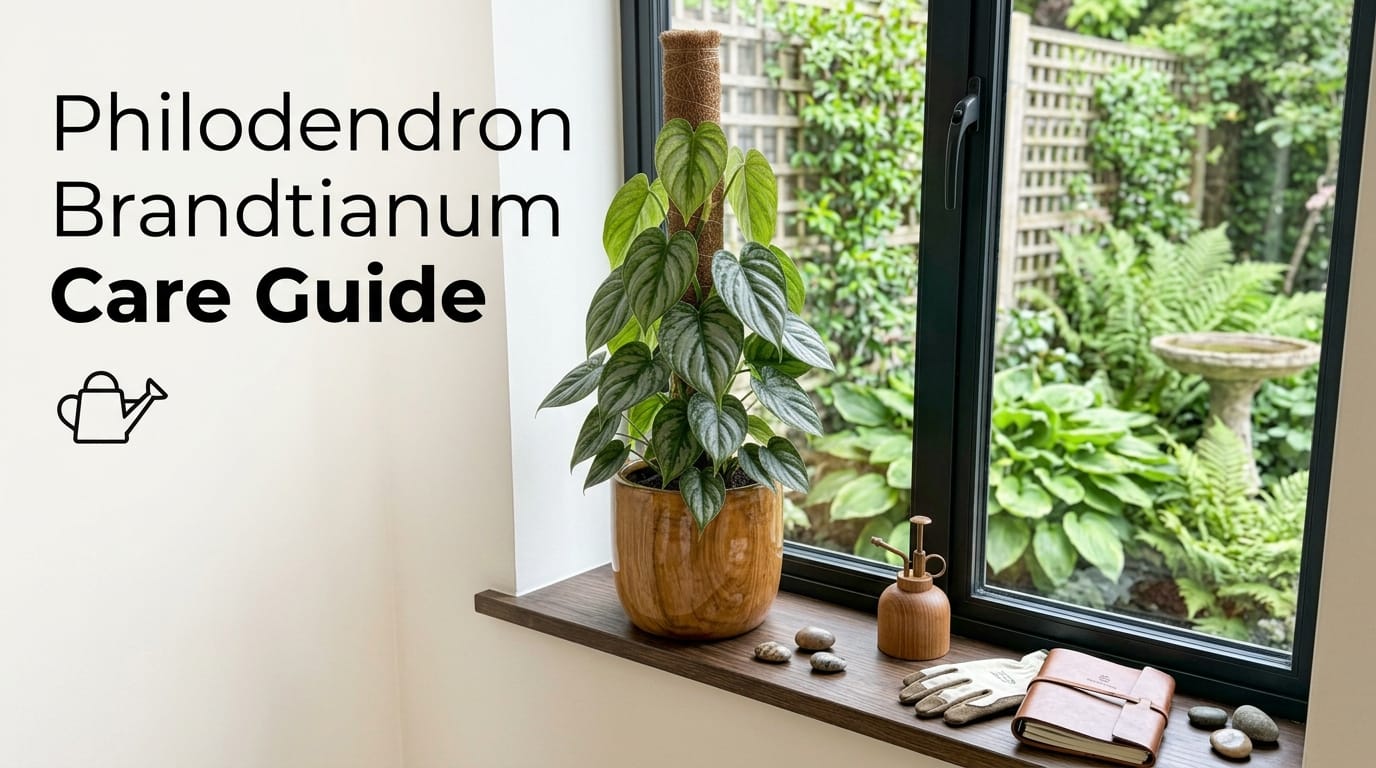
Philodendron Brandtianum needs bright, indirect light to look its best. Think of the filtered light that comes through a sheer curtain or through the leaves of taller trees in a forest. That is the kind of light this plant loves.
The ideal indoor placement is near an east-facing or north-facing window. East windows give the plant gentle morning sunlight, which is softer and less intense than the afternoon sun from a west or south window. North windows give consistent indirect light throughout the day.
The plant can tolerate lower light levels. However, in low light, the leaves may become smaller, the silver markings may fade, and growth will slow down noticeably. If your room does not get much natural light, consider using a grow light set about 12 to 18 inches above the plant for 10 to 12 hours a day.
Direct sunlight is something to avoid completely. Harsh direct sun, especially from a south or west window, will scorch the delicate leaves, causing them to yellow, fade, or develop brown patches. The silver markings are particularly sensitive to direct sun exposure.
The plant thrives in a light intensity range of about 10,000 to 20,000 lux. This replicates the filtered light it would receive naturally under a rainforest canopy.
Watering
Watering is one of the most important parts of Philodendron Brandtianum care indoors. Getting this right will keep your plant healthy for years.
The best approach is to water when the top 2 to 3 inches of soil feel dry. Stick your finger into the soil up to your second knuckle. If the soil feels dry at that depth, it is time to water. If it still feels moist, wait a few more days and check again.
During the spring and summer growing season, the plant drinks more water. Depending on your conditions, this might mean watering about 2 to 3 times per week during hot summer months.
In fall and winter, when the plant is growing slowly, reduce watering frequency to roughly once per week or even less. The soil stays moist longer when temperatures are cooler and light is lower.
Always use room-temperature water. Cold water can shock the roots, especially if the plant is in a cool room during winter. If your tap water is heavily chlorinated, you can let it sit in an open container overnight before using it, or switch to filtered water. You can also use rainwater if available.
Water the soil thoroughly until water drains from the bottom of the pot. Then empty the saucer after about 15 to 20 minutes so the roots are never sitting in standing water. This draining step is important because it prevents root rot, which is one of the most common causes of plant death.
Fertilizers
During the growing season (spring through early fall), Philodendron Brandtianum benefits from regular feeding. A balanced liquid fertilizer with equal parts nitrogen, phosphorus, and potassium (like a 10-10-10 or 20-20-20 blend) works well and supports healthy leaf and root development.
Apply fertilizer at half the recommended strength every two to four weeks during the active growing months. Using fertilizer at full strength can damage the roots, especially if the plant is in a small pot or if the soil is dry.
Stop fertilizing in fall and winter when the plant slows down. Feeding a resting plant causes fertilizer salts to build up in the soil, which can cause leaf tip burn and root damage over time.
If you prefer a slower approach, you can use slow-release granular fertilizer pellets at the start of spring. These release nutrients gradually over several months and reduce the need for frequent liquid feeding.
One thing to watch for is over-fertilizing. Signs include crusty white deposits on the soil surface, yellowing leaf tips, or brown edges on the leaves. If you see these signs, flush the soil with plain water to wash out the excess fertilizer salts.
Soil Mix
The right soil mix is critical for Philodendron Brandtianum care indoors. This plant needs a mix that drains well but still retains enough moisture to keep the roots hydrated between waterings.
A good basic mix combines standard potting soil with perlite and coco coir. A ratio of 60% potting mix, 20% perlite, and 20% coco coir works very well. The perlite adds drainage and aeration, while the coco coir helps retain moisture evenly.
You can also use an aroid-specific potting mix, which is sold at many garden centers and online plant shops. These mixes are designed specifically for plants in the Araceae family and strike a good balance between drainage and moisture retention.
Avoid using regular garden soil, heavy clay soil, or overly dense mixes. These hold too much water and can suffocate the roots, leading to root rot. The Brandtianum comes from mesic habitats in the wild, meaning it receives a moderate and balanced supply of water, not a waterlogged one.
If you want to try something different, this plant can also grow in 100% sphagnum moss or in soilless mixes like peat-perlite or peat-vermiculite. These options work especially well for propagation or for plants in terrariums.
Humidity
Humidity is one area where the Philodendron Brandtianum can be a little demanding, especially in northern US states during winter.
The plant prefers humidity levels of 60% or higher. Higher humidity encourages faster growth and larger, healthier leaves. Below 50%, the plant may survive but will not perform at its best. Very low humidity (below 30%) causes leaf edges to brown and curl, and it makes the plant more vulnerable to spider mites.
Several ways to raise humidity around your plant work well. You can use a small room humidifier placed nearby, which is the most effective solution for serious plant growers. Grouping multiple plants together also raises the local humidity slightly as they release moisture through their leaves.
Pebble trays filled with water placed under the pot can help raise the humidity slightly in the immediate area around the plant. The water evaporates upward around the leaves as the day warms. Make sure the bottom of the pot is above the water line, not sitting in it.
Avoid placing the plant near air conditioning vents, heating registers, or drafty windows. These all dry out the air rapidly and stress the plant.
Misting the leaves is sometimes suggested, but it is not a reliable way to raise humidity and can contribute to fungal leaf problems if the leaves stay wet too long.
Temperature
Philodendron Brandtianum prefers warm temperatures similar to its tropical home. Indoors, it grows happily in temperatures between 60°F and 95°F (16°C to 35°C).
The most comfortable range for steady, active growth is between 65°F and 80°F (18°C to 27°C). Within this range, the plant grows at a good pace and stays healthy.
Do not let temperatures drop below 60°F (16°C) for extended periods. Cold temperatures slow growth and stress the plant. Temperatures below 50°F (10°C) can cause serious damage or even kill the plant. This plant has zero frost tolerance.
Keep your plant away from cold drafts. In winter, windows can get quite cold, especially at night. If your plant sits right against a window pane in January, move it slightly away to protect it from the chill radiating from the glass.
Sudden temperature changes are also a problem. Going from a heated room to a cold outdoor porch and back stresses the plant. Keep it in a stable, warm environment year-round for best results.
Climbing Stake (Moss Pole)
If you want your Philodendron Brandtianum to produce bigger leaves and grow upright, giving it a climbing support is one of the best things you can do.
A moss pole is the most popular choice. These are poles covered in sphagnum moss or coco coir. The plant’s aerial roots can grip the pole and draw in moisture from the moss, mimicking how the plant climbs tree trunks in the wild.
You can buy a moss pole at garden centers or online, or make your own by wrapping sphagnum moss tightly around a PVC pipe or wooden dowel secured with fishing line or mesh. Keep the moss moist by misting it regularly or by pouring water directly onto the pole.
A plain wooden stake or bamboo stick also works as a simple support if you are not ready for a full moss pole. Gently tie the stems to the stake using soft plant ties or strips of fabric, taking care not to damage the stems.
As the plant grows, guide new stems toward the support. The aerial roots will eventually grip it on their own. One clear benefit is that plants climbing a support tend to produce noticeably larger leaves compared to plants that trail freely without support.
Toxicity
This is an important section, especially for homes with pets or young children.
Philodendron Brandtianum is toxic to humans and animals. Like all philodendrons, it contains calcium oxalate crystals throughout its leaves, stems, and roots. These tiny crystals cause irritation and burning when they come into contact with skin, mouth, or eyes.
If a pet or child chews on the plant, symptoms can include mouth pain and swelling, drooling, difficulty swallowing, and vomiting. In serious cases of large ingestion, breathing difficulty can occur.
Keep this plant on high shelves or in hanging baskets out of reach of curious pets and small children. If accidental ingestion happens, contact your local Poison Control Center (1-800-222-1222) for humans, or the ASPCA Animal Poison Control Center (888-426-4435) for pets.
Do not let the concern about toxicity stop you from enjoying this plant. Simply place it thoughtfully and you will have no problems.
Repotting Guide
Philodendron Brandtianum generally needs repotting every 1 to 2 years. The best signal that it is time to repot is when roots start growing out of the drainage holes at the bottom of the pot, or when you notice the plant becoming rootbound and the soil drying out much faster than usual.
The best time to repot is in early spring, just as the growing season begins. Repotting during active growth allows the plant to quickly recover and send out new roots into the fresh soil.
When choosing a new pot, go up only one size, roughly 1 to 2 inches larger in diameter than the current pot. A pot that is too large holds too much soil that stays wet for too long, which increases the risk of root rot.
To repot, gently remove the plant from its current container. Shake off excess old soil from the roots. Check the roots carefully and trim away any that are black, mushy, or smell bad. These are signs of rot. Healthy roots look white or light tan and feel firm.
Place a layer of fresh potting mix in the bottom of the new pot. Position the plant so that its base sits slightly below the rim of the pot. Fill in around the roots with fresh mix and press gently. Water thoroughly after repotting.
The plant may look a little droopy for a few days after repotting. This is normal as it adjusts to its new home. Place it in bright indirect light and avoid fertilizing for the first month after repotting.
Pruning Guide
Pruning is not strictly necessary for Philodendron Brandtianum, but it helps the plant look its best and grow fuller and bushier over time.
The best time to prune is in spring or early summer when the plant is actively growing and can recover quickly from the stress of cutting.
Use clean, sharp scissors or pruning shears. Wipe the blades with rubbing alcohol before cutting to prevent spreading disease between plants. Make clean cuts just above a leaf node (the point on the stem where a leaf or root grows from).
Remove any yellow, brown, or damaged leaves as soon as you notice them. These leaves will not recover, and removing them keeps the plant looking tidy and prevents any potential disease from spreading to healthy leaves.
If your plant has become very long and leggy, you can cut back the longest stems to encourage new branching growth closer to the base. New growth will emerge from below the cut point and make the plant look fuller.
The cuttings you remove during pruning are perfect for propagation. Do not throw them away! Use them to grow new plants (see the propagation section below).
Propagation Guide
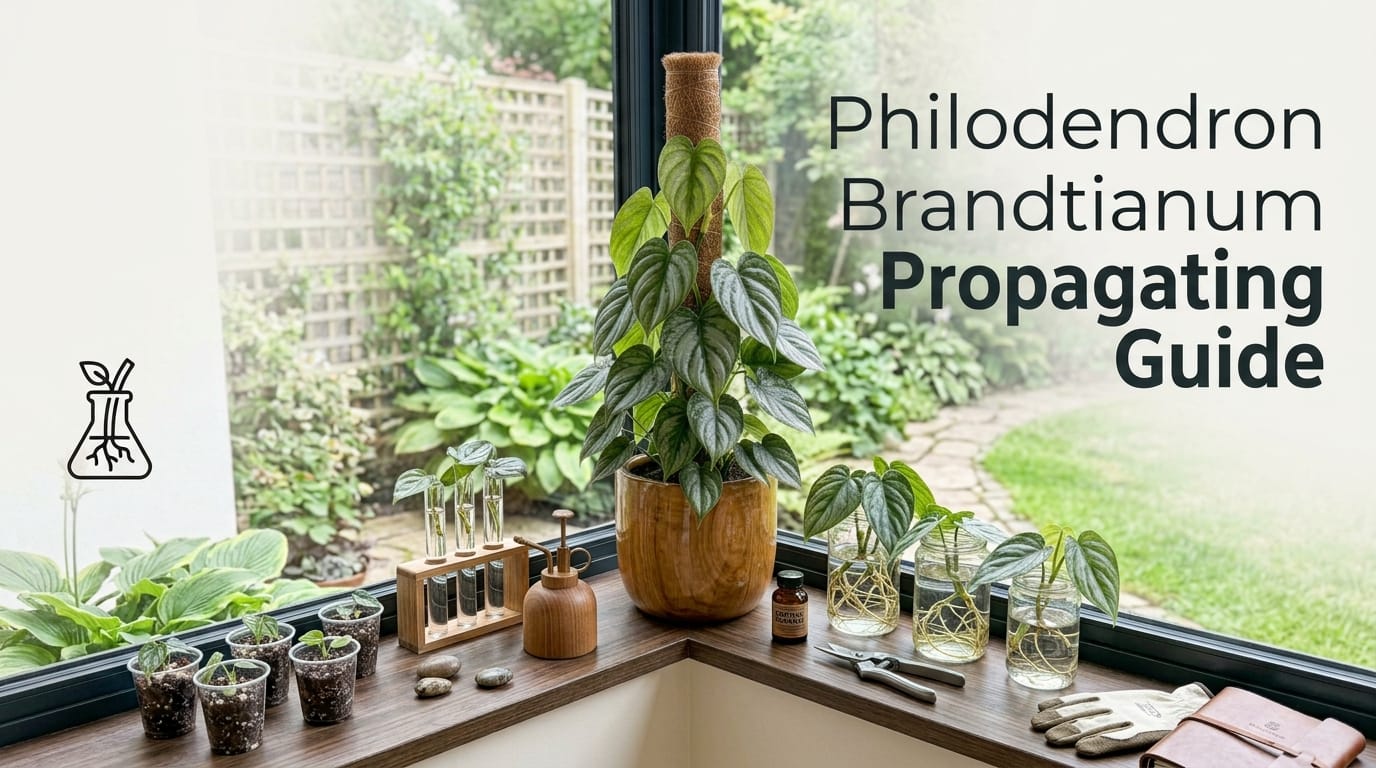
Propagating Philodendron Brandtianum is one of the most rewarding parts of growing this plant. It is easy, reliable, and a great way to grow your collection or share plants with friends.
The most reliable propagation method is stem cutting in water or soil.
Step 1: Choose your cutting. Select a healthy stem that has at least one leaf and one visible node (the small bump on the stem where roots can grow from). The cutting should be 4 to 6 inches long. Make sure it has no signs of disease or pests.
Step 2: Prepare the cutting. Use clean, sharp scissors to make a cut just below a node. Remove any leaves from the bottom half of the cutting so that no leaves will be submerged in water or buried in soil.
Step 3: Rooting in water. Place the cutting in a clean glass or jar filled with room-temperature water. Make sure the node is below the water line but the remaining leaves are above it. Place the jar in a spot with bright, indirect light. Change the water every few days to keep it fresh and prevent bacterial buildup.
Step 4: Watch for roots. Within 2 to 4 weeks, you should see white roots emerging from the node. Wait until the roots are at least 1 to 2 inches long before moving the cutting to soil.
Step 5: Transfer to soil. Plant the rooted cutting in a small pot with well-draining potting mix. Water it and place it in bright, indirect light. Keep the soil consistently moist for the first few weeks while the roots establish.
You can also root the cutting directly in moist sphagnum moss or in a perlite and water mix. Both methods work well. The key is to keep the rooting medium moist and the cutting in good light.
New roots forming under soil are also a sign of a healthy plant. You can also check out this related guide on plant propagation at jefrev.com for more detailed tips.
Common Pests and Diseases: Problems and Solutions
Spider Mites
Signs: Tiny yellow specks on leaves, webbing between leaves and stems, dry and dusty-looking foliage.
Why they appear: Spider mites love hot, dry conditions. Low humidity makes your Brandtianum very attractive to them.
Solution: Spray the plant with a strong stream of water to knock mites off the leaves. Then treat with neem oil solution or insecticidal soap spray. Repeat every 5 to 7 days for 3 to 4 weeks. Raising humidity around the plant will also discourage mites from returning.
Mealybugs
Signs: White, cottony clumps at leaf nodes, on stems, or along the undersides of leaves. Leaves may become sticky from honeydew secreted by the bugs.
Why they appear: They tend to appear when plants are stressed, in poor light, or kept in warm, stagnant air.
Solution: Use a cotton swab dipped in rubbing alcohol to remove individual mealybugs. For heavier infestations, spray with neem oil or insecticidal soap. Isolate infected plants from your other plants immediately.
Scale Insects
Signs: Small, hard, brown or tan bumps on stems and the undersides of leaves. The bumps do not move.
Solution: Scrape the scale off with a soft toothbrush or butter knife. Wipe the area with a cotton swab dipped in isopropyl alcohol. Then spray with neem oil to prevent reinfestation.
Root Rot
Signs: Yellowing leaves that keep spreading, wilting despite wet soil, a sour or rotten smell from the pot, mushy stem base.
Why it happens: Overwatering combined with poor drainage is the main cause. Soil that stays wet too long suffocates the roots, allowing fungal pathogens to take hold.
Solution: Remove the plant from the pot. Cut away all brown, mushy roots with clean scissors. Allow the roots to air dry for an hour. Repot in fresh, well-draining soil. Hold off on watering for several days. Make sure your pot has proper drainage holes.
Yellow Leaves
Why this happens: This is one of the most common concerns with indoor philodendrons. Yellow leaves can result from overwatering, underwatering, too much direct sun, lack of nutrients, or even just normal leaf aging at the bottom of the plant.
Solution: Check your watering schedule first. Then check the light. If it looks like a single old leaf at the base of the plant turning yellow, that is usually normal shedding and nothing to worry about. If multiple leaves are yellowing across the plant, it usually points to a watering or light problem. Check out this guide on common philodendron care mistakes at jefrev.com for a deeper breakdown.
Brown Leaf Tips
Why this happens: Usually caused by low humidity, too much fertilizer salt buildup in the soil, or inconsistent watering.
Solution: Raise humidity around the plant, flush the soil with plain water to clear out fertilizer salts, and establish a more consistent watering routine.
What Real Growers Are Saying
Here is a real comment from a user named @Eelhsa on the Greg App plant community forum, posted in 2024:
“I’ve had my philodendron brandtianum for about 4 years now, and I’ve always struggled with getting it to stay happy and produce larger, healthy looking leaves. Greg lists this plant as easy to grow, but from my experience and from what I’ve read online, it truly isn’t. It definitely does not grow anywhere near as nicely as my other philodendrons. Typically, the leaves are very small and also bent and crooked. It seems to need very high humidity, which can be a challenge in my northern climate, especially in the winter. The most success I’ve had has been with keeping it in a cloche, but then it can’t fit in there once it reaches a larger size. I do really love this plant and wish I could figure out how to make it happy.”
Source: Greg App Community Forum
This is a really honest and important point. The Brandtianum is easy to keep alive, but getting it to truly thrive and produce large, show-quality leaves takes more attention, especially when it comes to humidity. This is one reason why a humidifier is often the single most helpful upgrade you can make for this plant.
Pricing Guide
The price of Philodendron Brandtianum has changed a lot over the past few years. It used to be considered a rare and expensive collector’s plant. Today, it is far more common and affordable in the US market.
Here is what you can generally expect to pay in 2026:
| Plant Size | Typical Price Range |
|---|---|
| Small cutting (rooted) | $5 to $15 |
| 4-inch pot (starter) | $10 to $25 |
| 6-inch pot (established) | $25 to $45 |
| Larger or mature specimen | $50 to $80+ |
Prices vary based on where you buy, the size of the plant, and how healthy it looks. Online plant shops and Etsy sellers often have good deals, especially for cuttings and small starter plants. Local plant swaps are another great source for affordable plants.
Home Depot currently sells 6-inch Philodendron Brandtianum plants in grower pots for around $34, which is a solid price for an already-established plant.
Rare variegated forms of the Brandtianum (with more pronounced or unusual patterns) can cost significantly more, sometimes $100 or beyond, in the collector market.
Buying Guide
When buying a Philodendron Brandtianum, whether online or in person, here are things to look for:
Look for vibrant silver markings. The silver patches should be clear, distinct, and spread across the leaves. Washed-out or pale leaves may indicate low light conditions during growing.
Check for healthy roots. If buying a rooted cutting or a plant in a clear pot, look for white or cream-colored roots. Avoid plants with dark, soggy, or strange-smelling roots.
Inspect for pests. Flip the leaves over and look at the undersides. Check the stems near nodes. Look for any signs of white fluff (mealybugs), webbing (spider mites), or brown bumps (scale).
Buy from reputable sellers. When buying online, check seller reviews carefully. Look for sellers with a track record of healthy plant shipments. Local plant nurseries, plant swaps, and established Etsy shops are often your safest options.
Avoid plants that look stressed. Yellow leaves, drooping, or a bone-dry rootball at the nursery are warning signs that the plant has not been well cared for. A healthy Brandtianum has firm, upright leaves with good color.
Good places to look in the US include local independent nurseries, Etsy plant shops, Facebook plant groups, and online plant retailers. Many people in the jefrev.com philodendron community have shared where they found their best plants.
Common Mistakes to Avoid
Growing Philodendron Brandtianum indoors is not hard, but there are some easy traps that even experienced plant parents fall into.
1. Overwatering This is the number one killer of indoor philodendrons. Watering before the top 2 to 3 inches of soil dries out leads to root rot. Always check the soil before watering.
2. Using Heavy or Dense Soil Standard garden soil or compost-heavy mixes hold way too much water for this plant. Always use a fast-draining aroid mix or amend regular potting soil with perlite.
3. Placing It in Direct Sun Even a few hours of direct afternoon sun can scorch the leaves and fade the beautiful silver markings. Keep it behind a sheer curtain or away from harsh south and west windows.
4. Ignoring Humidity in Winter Many plant owners notice their Brandtianum looking rough in January and February. Low winter humidity from indoor heating is often the cause. A humidifier makes a big difference during these months.
5. Fertilizing in Winter Feeding a plant that is barely growing leads to salt buildup in the soil. Hold off on fertilizing from October through February.
6. Not Checking for Pests Regularly Pests like spider mites and mealybugs can go unnoticed for weeks. Flip the leaves and inspect the stems at least once a month. Catching an infestation early makes it much easier to treat.
7. Using a Pot That Is Too Large Going up too many pot sizes at once means too much soil around the roots. Extra soil holds extra moisture and raises the risk of root rot. Go up just one pot size at a time.
8. Repotting at the Wrong Time Repotting in fall or winter, when the plant is resting, puts it under stress when it has the least energy to recover. Always repot in spring.
Frequently Asked Questions (FAQ)
Q: Is Philodendron Brandtianum easy to grow indoors? A: Yes, it is one of the more beginner-friendly philodendrons. Getting it to survive is easy. Getting it to produce large, showy leaves takes a bit more effort, especially in terms of humidity and light quality.
Q: How do I make the leaves bigger? A: Give the plant a climbing support like a moss pole, provide bright indirect light, maintain high humidity (60% or more), and fertilize regularly during the growing season. Plants climbing upward with support consistently produce larger leaves than trailing plants.
Q: How often should I water Philodendron Brandtianum indoors? A: Water when the top 2 to 3 inches of soil are dry. In summer, this might be 2 to 3 times per week. In winter, once a week or even less.
Q: Why are my Brandtianum’s leaves turning yellow? A: The most common causes are overwatering, direct sun exposure, or normal leaf aging. Check your watering routine and light placement first.
Q: Can Philodendron Brandtianum grow in low light? A: It can survive in lower light, but it will grow slowly and the silver markings will become less defined. Bright indirect light is where it truly shines.
Q: Is this plant safe around cats and dogs? A: No. Philodendron Brandtianum is toxic to cats, dogs, and humans due to calcium oxalate crystals. Keep it out of reach of pets and children.
Q: How long does it take to propagate Philodendron Brandtianum in water? A: Roots typically emerge within 2 to 4 weeks when kept in clean water at room temperature in bright indirect light.
Q: When is the best time to repot? A: Early spring, just as the growing season begins, is the best time. Signs that it is time to repot include roots growing out of the drainage holes and soil drying out very quickly.
Q: Can I grow Philodendron Brandtianum outside in the US? A: Yes, but only in USDA hardiness zones 9b to 11, which covers parts of Florida, Southern California, Texas, and Hawaii. In colder zones, it must be grown indoors or brought inside before temperatures drop below 55°F (13°C).
Q: What is the difference between Philodendron Brandtianum and Scindapsus pictus? A: These two plants look similar because of their silver-patterned leaves, but they are from completely different plant genera. Philodendron Brandtianum has bolder, heavier silver patches and slightly different leaf structure. Scindapsus pictus (often called Silver Satin Pothos) has a softer, more metallic sheen. Check the Wikipedia entry on Philodendron brandtianum for more detail on classification.
Conclusion
Philodendron Brandtianum is one of those plants that manages to look expensive and rare without actually being too hard to grow or find. The silver and olive-green leaves bring something truly different to any indoor plant collection, and once you get the basics right, the plant rewards you with steady, healthy growth season after season.
The key points to remember are these. Give it bright indirect light, water only when the top couple inches of soil dry out, keep humidity above 60% especially in winter, use a well-draining soil mix, and feed it during the growing months. If you can do those things consistently, your Brandtianum will thrive.
If you have struggled with this plant in the past, the most common culprits are overwatering, too little humidity, or too much direct sun. Address those three things and most problems clear up on their own.
Thanks for reading. If you want to explore more philodendrons that are just as rewarding, check out the Philodendron Micans Care Guide at jefrev.com, which is another silver-toned beauty that complements the Brandtianum perfectly. You can also read more about choosing the right soil mix for indoor aroids at jefrev.com.
Happy growing!