Philodendron Whipple Way Indoor Care – Complete Growing Guides

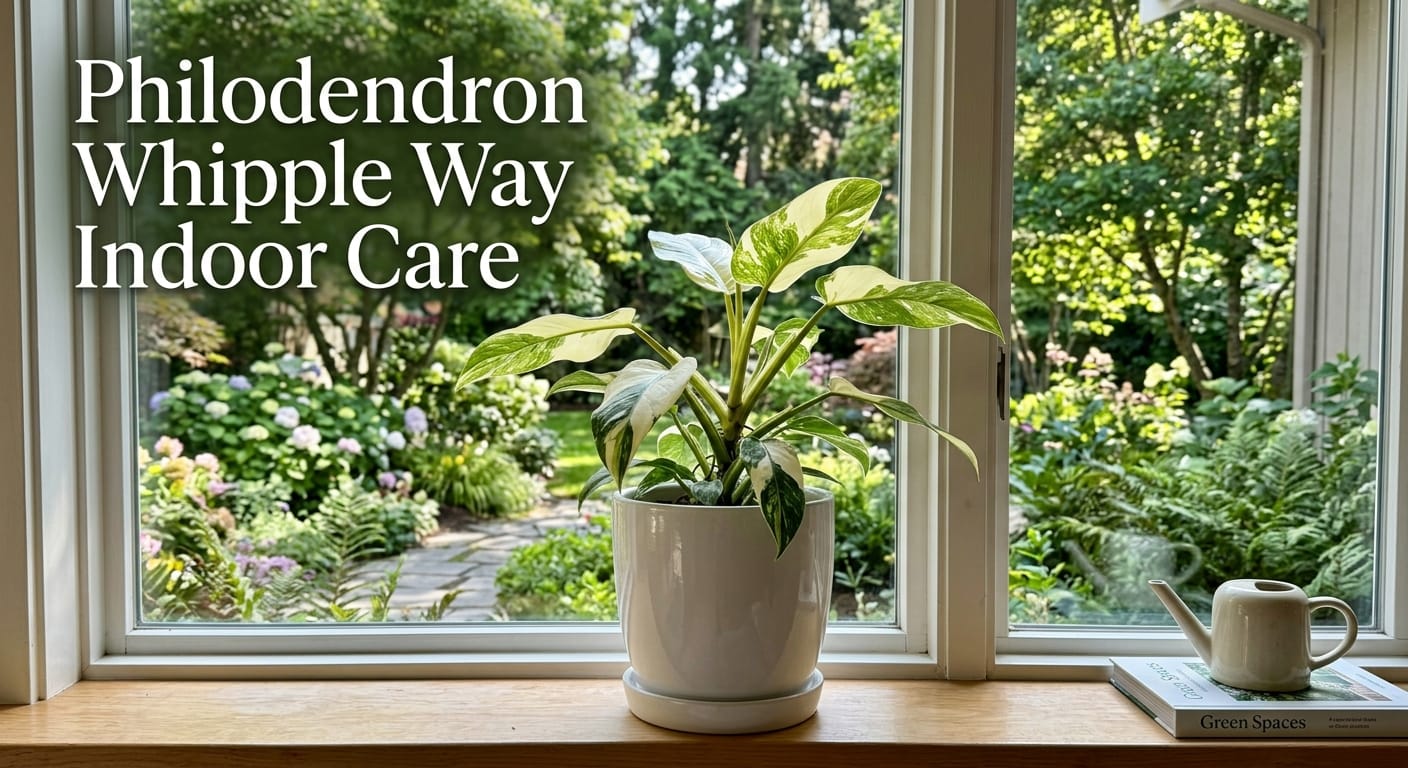
The first time I saw a Philodendron Whipple Way in person, I stopped walking.
The leaves were creamy white, soft green, and minty — sometimes all three on the same leaf.
No two looked identical. It reminded me of hand-marbled paper, except it was alive and actively growing.
I tracked one down a few months later, found through a private collector. Paid more than I planned to. Zero regrets.
What I didn’t expect was how specific its needs would be. Whipple Way isn’t the kind of plant you place in a corner and leave alone.
But get the conditions right, and it produces some of the most striking foliage you’ll ever grow indoors.
This guide covers everything: light, water, soil, humidity, propagation, pricing, and the mistakes I see most often.
What Is Philodendron Whipple Way?
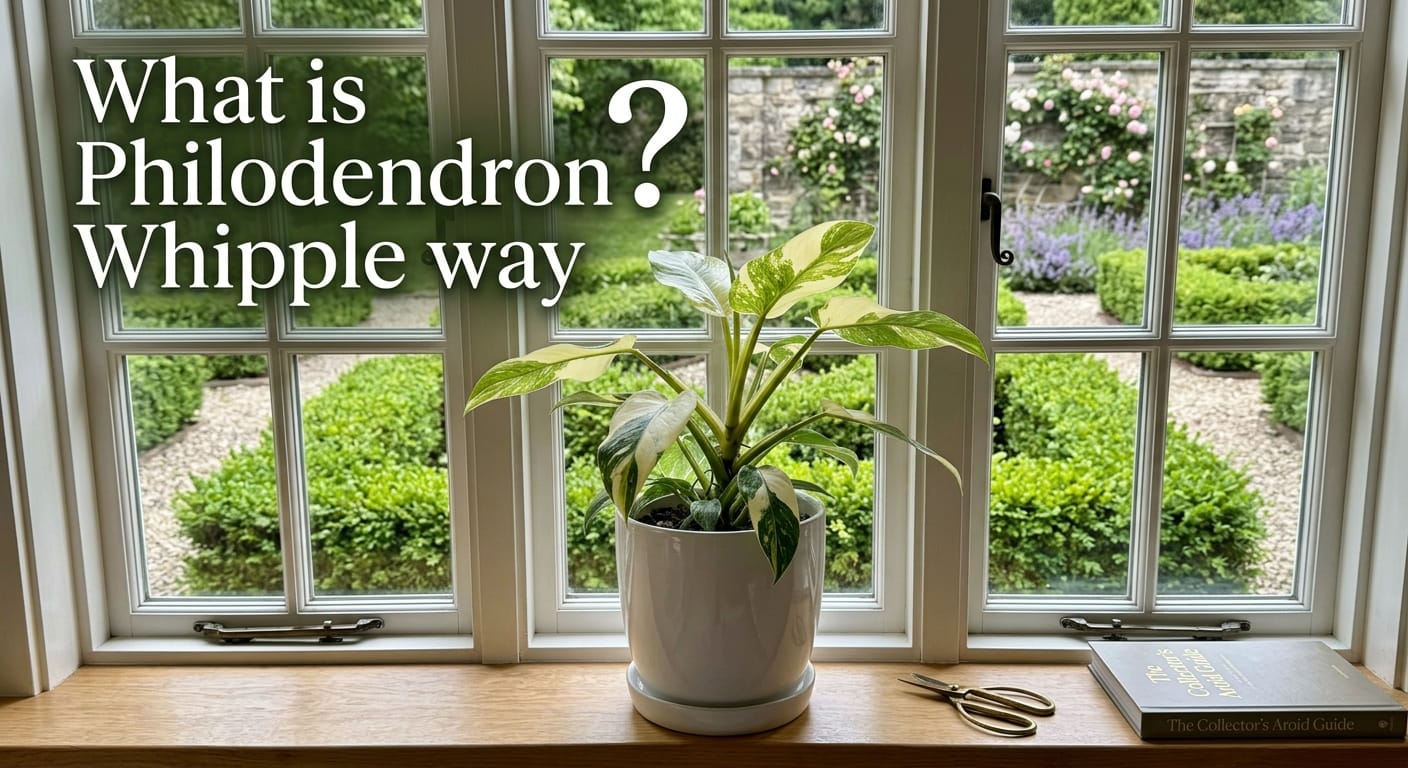
Philodendron Whipple Way is one of the rarest variegated philodendrons in the hobby.
It stands out because of its stunning pale, milky foliage.
Unlike most houseplants, its color comes from a genetic mutation — not breeding or seeds.
This means every leaf it grows looks completely different from the last.
New leaves often emerge in soft pink, cream, or pale yellow tones before maturing into a marbled and sectoral mix of cream, white, mint, yellow, and green — with occasional soft pink highlights.
It is a climbing aroid. That means it loves to grow upward, especially with support.
It is slow growing but well worth the wait. The white foliage tends to turn to a pale green with age, which provides more energy to the plant to grow more vigorously.
This plant is not for absolute beginners. But with the right setup, it can thrive indoors beautifully.
Scientific, Botanical, and Common Names
Here is a quick breakdown of its naming:
Scientific Name: Philodendron ‘Whipple Way’
Family: Araceae (the Aroid family)
Genus: Philodendron
Common Names:
- Whipple Way Philodendron
- Mottled Whipple Way
- Variegated Whipple Way
The name “Philodendron” comes from the Greek words philos (meaning love or affection) and dendron (meaning tree).
So the genus name literally means “tree lover,” which makes sense since most philodendron species are natural vines that climb trees.
The ‘Whipple Way’ name is said to come from the street where the botanists who first discovered this plant lived.
It is not a wild species. It is a cultivar — a plant selected for its special traits and kept going through cuttings.
Native Habitat and Origin
Philodendron Whipple Way is native to Brazil, with populations also found in parts of South America, including the Amazon basin.
In the wild, it grows in the humid, shaded floors of tropical rainforests.
It climbs up large tree trunks to reach filtered light above.
Temperatures there are warm year-round. Humidity is almost always high.
The plant is named after the street where the botanists who discovered it lived.
Understanding its origin helps you recreate the right conditions at home.
Think warm, humid, and shaded from harsh direct sun — and you are already on the right path.
Characteristics and Features
Here is a quick-glance feature summary:
| Feature | Detail |
|---|---|
| Type | Variegated climbing aroid |
| Growth Habit | Climbing / vining |
| Leaf Type | Elongated, slightly lobed |
| Variegation | Creamy white, mint, yellow, green, occasional pink |
| Leaf Texture | Slightly leathery to smooth |
| Light Needs | Bright, indirect light |
| Watering | Moderate, when top inch is dry |
| Humidity | 60%+ preferred |
| Toxicity | Toxic to humans and pets |
Key trait to know: This plant’s variegation comes from a mutation. It is not genetically stable like some other variegated plants.
Unlike many highly variegated aroids that risk reversion or “melting” of white tissue, the Philodendron Whipple Way possesses remarkable genetic instability. This means light acts as a precision tool for aesthetic enhancement — high-intensity indirect light encourages the plant to produce larger, more milky-white leaves.
That said, if light drops too low, the white patches may fade to green. Keep that in mind.
Appearance
The Whipple Way’s look is hard to describe unless you have seen it in person.
Leaves: It produces elongated, slightly leathery foliage that becomes larger and more structured as the plant climbs.
Color: Each leaf is a unique work of art. You get creamy white, mint green, pale yellow, and sometimes a blush of soft pink.
The variegation in each leaf is unpredictable and varied, making every leaf a unique display — usually a dramatic mix of deep green and creamy white or yellow hues.
Stem: The central stem is thick and green. Aerial roots appear as the plant grows taller.
New Growth: This is where the magic happens. Baby leaves often unfurl in near-white or pale pink. Then they slowly develop more color as they mature.
It is genuinely exciting to watch a new leaf open on this plant.
Growth Pattern
Philodendron Whipple Way is a climber at heart.
With proper care, the Whipple Way can reach 2 to 3 feet in height, with foliage as much as a foot in length.
Growth is slow compared to other philodendrons. Do not rush it.
In spring and summer, you may see one new leaf every 4 to 6 weeks.
In fall and winter, growth slows down even more.
The plant pushes out new leaves from the top of its central stem.
If given a moss pole or totem, it will climb upward and start producing larger, more impressive leaves.
Without support, it may trail or stay compact and bushy.
Dormancy
Unlike deciduous plants, Philodendron Whipple Way does not go fully dormant.
But it does slow down significantly in the cooler months.
Here is what you will notice in fall and winter:
- Fewer or no new leaves
- Slower root growth
- Soil stays wet longer
- Less water is needed overall
This is totally normal. Do not panic or start fertilizing more to “force” growth.
The best thing you can do during dormancy is reduce watering slightly and stop fertilizing.
Resume your normal care routine when you see new growth in spring.
The plant knows what it is doing. Trust the process.
Benefits of Growing Philodendron Whipple Way
Beyond being absolutely gorgeous, this plant offers real benefits:
1. Air Purification
The Philodendron Whipple Way is an excellent air-purifying plant.
Like other philodendrons, it can help filter indoor air pollutants.
2. Rare Collector’s Status
Owning a Whipple Way makes you part of a small, passionate plant community.
It is a conversation starter. Every visitor will ask about it.
3. Low-Maintenance (Once Settled)
It is a low-maintenance houseplant, so you can easily grow it indoors, even as a relative beginner once you understand its needs.
4. Unique Aesthetic
No two plants look the same. Your Whipple Way will never look exactly like anyone else’s.
5. Educational
Growing this plant teaches you a lot about how variegation works, how light affects leaf color, and how to read a plant’s signals.
Care Guide
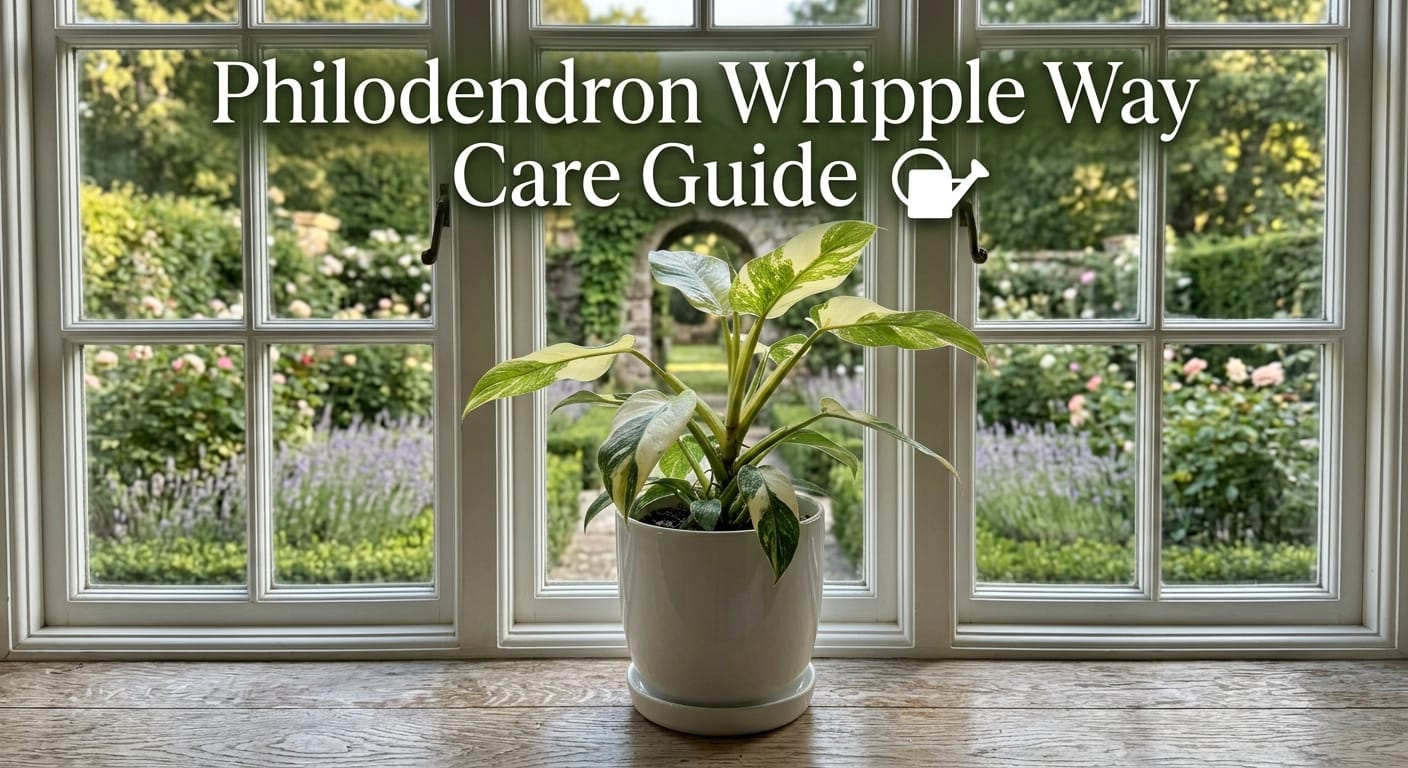
Sunlight
This is probably the most important care factor for Whipple Way.
When calculating light levels, aim for the sweet spot where the plant receives enough energy to support its non-chlorophyllous sections. If the light is too dim, the plant will prioritize green chlorophyll to survive, muddying the pristine white variegation that collectors crave.
Place it near a bright window — but never in direct harsh sun.
An east-facing window is ideal. A few hours of gentle morning sun is fine.
Positioning your plant near a window is the most common approach, but direct sun can scorch the delicate white tissue. A sheer curtain can diffuse harsh rays while maintaining the high foot-candle count necessary for peak variegation.
Pro tip from experience: I place mine about 3 to 4 feet from a south-facing window with a sheer curtain. The leaves stay bright and bold this way.
Light summary:
- Best: Bright, indirect light (2,000 to 4,000 foot-candles)
- Tolerable: Medium indirect light
- Avoid: Direct afternoon sun and very low light
Watering
Getting this right is critical. Too much water kills more Whipple Ways than anything else.
Keep the soil consistently moist but not waterlogged. Water the plant when the top inch of soil feels slightly dry, ensuring proper drainage to prevent root rot.
During active growing season (spring and summer), you may water once every 7 to 10 days.
In fall and winter, stretch that out to every 12 to 14 days.
Always check the soil before watering. Stick your finger about an inch into the soil.
If it still feels moist, wait two or three more days.
Watering tips:
- Always use a pot with drainage holes
- Never let the plant sit in standing water
- Use room-temperature water (avoid cold tap water)
- Filtered or rainwater works best if your tap is heavy in minerals
Fertilizing
During its active growing season in spring and summer, Philodendron Whipple Way benefits from regular fertilization. Apply a balanced liquid fertilizer, like 20-20-20, diluted to half strength monthly, or use slow-release fertilizers tri-annually. Avoid over-fertilization, which can lead to leaf burn or reduced nutrient absorption.
Stop fertilizing completely from October through February.
I personally prefer a balanced liquid fertilizer at half strength. This gives the plant steady nutrients without shocking it.
Signs of over-fertilization:
- Brown leaf tips
- Crusty white residue on soil surface
- Yellowing leaves
If you see these signs, flush the soil with plain water and skip the next feeding.
Soil Mix
The right soil mix is a game-changer for this plant.
You need something that holds just enough moisture but still drains really well.
A good Whipple Way soil mix includes:
- 40% high-quality potting mix
- 30% perlite (for drainage and aeration)
- 20% orchid bark (adds airflow to roots)
- 10% horticultural charcoal (helps prevent root rot)
This creates a chunky, airy mix that mimics the forest floor conditions of its native habitat.
Avoid using heavy garden soil or anything that compacts easily.
Compacted soil holds too much moisture and cuts off oxygen to the roots.
Humidity
The humidity requirements for this plant are 60% or above.
Most homes in the US sit between 30% and 50% humidity.
That means you may need to help your plant out a bit.
Here are some ways to boost humidity:
- Use a small humidifier near the plant
- Place the pot on a pebble tray with water
- Group it with other plants (they release moisture together)
- Move it to a naturally humid spot like a bathroom with a window
Important: Do not mist the leaves directly. Misting can promote fungal issues on the pale variegated sections.
A steady-running humidifier is the best investment for any rare aroid collection.
Temperature
Maintain a temperature range between 65°F and 85°F (18°C to 29°C) to ensure optimal growth.
Protect the plant from cold drafts and temperatures below 10°C (50°F), which can stress it.
Never place it near an air conditioning vent or a drafty window in winter.
Cold snaps cause leaf damage fast. The white sections of the leaves are the most vulnerable.
If you live in a colder state, keep your Whipple Way away from exterior walls in winter.
A consistent indoor temperature is always better than one that swings up and down.
Climbing Stake
Because this is a climbing plant, giving it support changes everything.
Providing a moss pole or other climbing support will allow the plant to reach its full potential size.
When a Whipple Way has a pole to grip onto, it starts producing bigger leaves.
The aerial roots along the stem latch onto the moss. This mimics how it climbs trees in the wild.
Best climbing support options:
- Moss pole (my top pick — stays moist, roots love it)
- Coco coir pole (similar to moss, easier to find)
- Wooden totem or bamboo stake (works, but roots prefer something they can grip)
Keep the moss pole moist by misting it occasionally. This encourages the roots to attach.
Toxicity
This is not something to skip over, especially if you have kids or pets at home.
Philodendron species, including variegated types, are toxic to dogs and cats. The toxic principles are calcium oxalate crystals. Clinical signs include oral irritation, intense burning and irritation of the mouth, lips, tongue, excessive drooling, vomiting, and difficulty in swallowing.
If you suspect your pet may have ingested a potentially toxic substance, call the ASPCA Poison Control at (888) 426-4435 or contact your local veterinarian as soon as possible.
Toxicity affects humans too. Children can experience the same mouth irritation if they chew on the leaves.
Safety tips:
- Keep the plant on a high shelf or in a room pets cannot access
- Wear gloves when trimming or propagating (the sap can irritate skin)
- Wash hands thoroughly after handling
For more details, check the official ASPCA toxic plant database.
Repotting Guide
Philodendron Whipple Way grows slowly. So you will not need to repot it very often.
Here is when to repot:
- Roots are poking out of the drainage holes
- The plant dries out too quickly after watering
- You see roots circling inside the pot (root-bound)
- It has been in the same pot for 2 to 3 years
Step-by-step repotting:
- Choose a new pot that is only 1 to 2 inches larger in diameter. (Going too big causes root rot.)
- Prepare your fresh aroid soil mix.
- Water the plant one day before repotting. This reduces transplant stress.
- Gently slide the plant out of its old pot.
- Remove as much of the old soggy soil as you can from the roots.
- Check the roots carefully. Trim off any black or mushy ones with clean scissors.
- Place the plant in the center of the new pot.
- Fill in with fresh soil around the roots. Press gently to remove air pockets.
- Water lightly after repotting.
- Place it back in its usual spot. Avoid fertilizing for 4 to 6 weeks.
Best time to repot: Early spring, just as the growing season begins.
Pot material: Terracotta pots dry out faster — good if you tend to overwater. Plastic pots retain moisture longer — better in dry climates.
Pruning Guide
Pruning your Whipple Way keeps it looking tidy and healthy.
When to prune:
- You see yellow or brown leaves
- The plant is getting too leggy (long stems, fewer leaves)
- You want to encourage new growth
- You want to take cuttings for propagation
How to prune:
Use clean, sharp scissors or pruning shears. Always sterilize them with rubbing alcohol first.
Cut just below a leaf node (the spot where a leaf meets the stem).
Remove any yellowed or damaged leaves at the base of the stem.
Do not prune more than 20 to 25% of the plant at one time. This protects it from stress.
It is very important that you do not remove the older leaves once they turn greenish. These green leaves are providing energy to help the plant grow more vigorously.
After pruning, give the plant a few weeks to recover before fertilizing again.
Propagation Guide
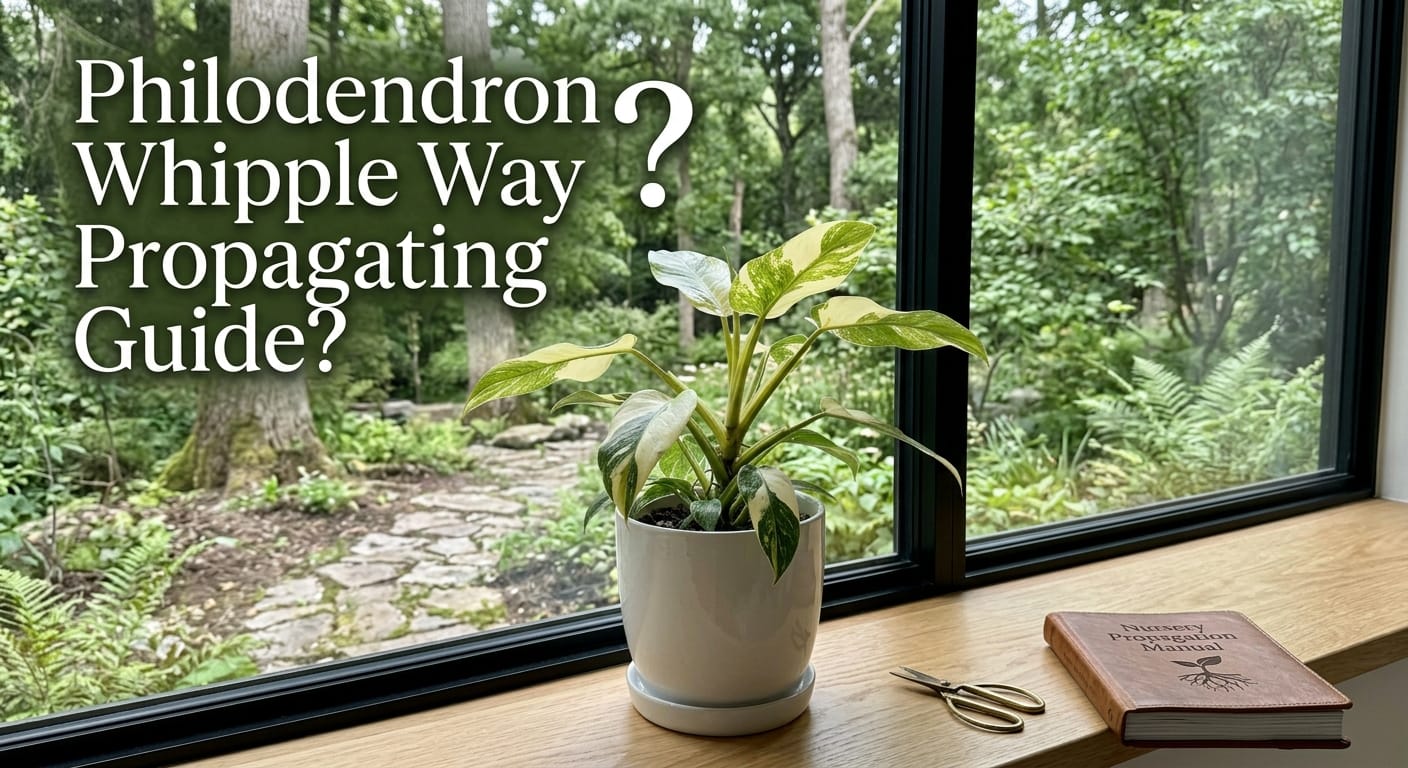
Growing new Whipple Way plants from your existing one is very rewarding.
Because its variegation comes from a mutation, you cannot grow it from seed.
You must use stem cuttings.
Step-by-step propagation:
Select a healthy stem with at least two nodes — the points where leaves and roots emerge. Take 4 to 6-inch cuttings, cutting just below a leaf node. Remove any leaves from the bottom section to expose these nodes.
Option A: Water Propagation
For water rooting, place the cutting in a glass jar, ensuring all exposed nodes are submerged. Change cloudy water to maintain cleanliness.
Keep the jar in a warm, bright spot. Roots should appear in 3 to 6 weeks.
Once roots are 1 to 2 inches long, transfer to soil.
Option B: Soil Propagation
Dip the cut end in rooting hormone powder (optional but helpful).
Plant the cutting in a moist, chunky aroid mix.
Place a clear plastic bag loosely over the cutting to trap humidity.
Keep it in warm, bright indirect light. Check for roots after 3 to 4 weeks.
Key tip: Always propagate from a healthy, established plant. Never propagate a plant that is still adjusting to a new environment.
Propagation is best done in spring or early summer when the plant is actively growing.
Common Pests and Diseases
Even the most well-cared-for Whipple Way can run into problems.
Here is what to watch for:
Spider Mites
Signs: Fine webbing on the underside of leaves. Tiny dots moving on leaves.
Cause: Low humidity and dry air.
Fix: Increase humidity. Wipe leaves with a damp cloth. Apply neem oil or insecticidal soap. Repeat weekly for 3 weeks.
Mealybugs
Signs: White fluffy clumps in leaf axils or stem joints.
Fix: Dab affected areas with a cotton swab dipped in rubbing alcohol. Follow up with neem oil spray.
Aphids
Signs: Tiny green, black, or yellow bugs clustered on new growth.
Fix: Spray with a strong stream of water. Then apply insecticidal soap or neem oil.
Root Rot
Signs: Yellowing leaves, mushy stem base, foul smell from soil.
Cause: Overwatering or poor drainage.
Fix: Remove the plant from its pot. Trim off all black or mushy roots. Let the roots air dry for 30 minutes. Repot in fresh, dry, well-draining soil. Wait a week before watering again.
Root rot is the most common killer of Whipple Way plants. This is why drainage matters so much.
Leaf Browning
Signs: Brown tips or edges on leaves.
Cause: Low humidity, fluoride in tap water, or fertilizer burn.
Fix: Switch to filtered water. Boost humidity. Reduce fertilizer strength.
Yellow Leaves
Signs: Leaves turning yellow, starting from lower or older leaves.
Cause: Overwatering or nutrient deficiency.
Fix: Check soil moisture. If soil is soggy, let it dry out completely before watering again.
Real User Experience
Here is what one plant owner shared in a community discussion on Greg App about caring for their Philodendron Whipple Way:
“Variegated philos should be quite straightforward. Humidity can be around 40%, but 60% is best. Water when the soil is halfway dry from the top. Fertilise with foliar fert if you’d like the leaves to grow nicely, otherwise a balanced one works as well. Put in bright indirect light, at most 2 hours of morning or evening sun. Avoid direct afternoon sun at all cost.”
Source: Greg App Community Forum, December 2024 URL: https://greg.app/question/1lckgl/philodendron-whipple-way-hey-yall-i-was-wondering-if-anyone-had-a-philodendron-whipple-way-a-philo
This lines up exactly with what I have seen in my own growing experience. Keep afternoon sun away from the pale leaves. That is the golden rule.
Pricing Guide
Philodendron Whipple Way is one of the pricier aroids on the market.
Here is a general price breakdown for 2025 to 2026:
| Plant Size / Type | Estimated Price (USD) |
|---|---|
| Small cutting (no roots) | $15 to $40 |
| Rooted starter plant (2.5″ pot) | $40 to $80 |
| Small established plant (4″ pot) | $75 to $150 |
| Medium plant with good variegation | $150 to $300 |
| Highly variegated specimen | $300 to $600+ |
Prices can vary widely based on:
- Level of white or pink variegation (more white = more expensive)
- Whether it has multiple leaves or nodes
- The seller (specialty shops cost more than Etsy sellers)
- Supply and demand at the time you are shopping
Although you may not see one in a nursery or garden center, it’s even a challenge to find one online. Considering their beauty, this may change in the future, but for the moment, this is one rare plant to have in your indoor garden — and they can be very expensive if you do find one.
Prices have slowly come down over recent years as more growers have propagated it. But it is still far from cheap.
Buying Guide
Buying a Whipple Way safely takes a little research. Here is how to do it right.
Where to Buy:
- Specialty Aroid Nurseries (like Kens Philodendrons, Ecuagenera USA, Rare Plant Fairy) — Best quality, most reliable. Plants are well-rooted and healthy.
- Etsy — A wide range of sellers. Read reviews carefully. Look for sellers with 100+ sales and photos of the actual plant.
- Facebook Plant Groups and Swaps — You can find deals here. But vet the seller thoroughly first. Ask for photos of roots.
- Local Plant Swaps and Shows — The best way to buy in person. You can inspect the plant before paying.
What to Look For When Buying:
- At least 2 to 3 healthy leaves
- Strong, firm stem with no soft or mushy spots
- Visible roots (for rooted plants)
- Clear, bright variegation on the leaves
- No signs of pests (check leaf undersides in photos)
- No yellowing or blackening along the stem base
Questions to Ask the Seller:
- How long has this plant been rooted?
- What soil mix is it currently in?
- Has it been treated for pests recently?
- Will it ship with live arrival guarantee?
Shipping Tips:
Order during mild weather months (spring or early fall).
Avoid ordering during extreme heat or cold. White variegated leaves are fragile during shipping.
Always pay a little extra for express shipping if the seller offers it.
Common Mistakes to Avoid
These are the errors I see most often with Whipple Way growers, especially beginners.
1. Overwatering
This is the #1 killer. Never water on a fixed schedule. Always check the soil first.
2. Too Little Light
Low light fades the variegation. You will end up with a mostly green plant and feel disappointed.
3. Using Regular Potting Soil Alone
Regular soil holds too much moisture. Always mix it with perlite and bark for proper drainage.
4. Cutting Off Green Leaves
It is very important that you do not remove the older leaves once they turn greenish. These green leaves provide energy to help the plant grow more vigorously.
5. Fertilizing in Winter
The plant is resting. Adding fertilizer during dormancy builds up salts in the soil and can burn the roots.
6. Placing in Direct Sun
The pale white sections of the leaves have very little chlorophyll. Direct sun will scorch them within hours.
7. Forgetting Humidity
Many growers set up lighting and watering perfectly but forget humidity. Low humidity causes brown edges and slow growth.
8. Buying Without Research
Some sellers mislabel other philodendrons as Whipple Way. Know what you are looking for before you shop.
9. Repotting Into a Pot That Is Too Large
Big pots hold more soil, and more soil holds more moisture. This leads to root rot in a slow-growing plant.
10. Moving the Plant Around Too Often
Whipple Way needs time to adjust to its light and humidity environment. Constant moving stresses it out and slows growth.
Frequently Asked Questions (FAQ)
Q: How fast does Philodendron Whipple Way grow?
A: It is a slow grower. Expect one new leaf every 4 to 8 weeks during the active growing season. Patience is key.
Q: Why are my Whipple Way leaves turning green?
A: This usually means the plant is not getting enough light. Move it closer to a bright window. The chlorophyll increases when light is scarce, turning the leaves greener.
Q: Can I grow Philodendron Whipple Way in water?
A: You can root cuttings in water, yes. But for long-term growth, soil is better. Water growing does not give it the nutrients it needs.
Q: Is Philodendron Whipple Way pet-safe?
A: No. It is toxic to cats, dogs, horses, and humans. Keep it out of reach of pets and small children.
Q: How do I keep the white variegation strong?
A: Give it bright, indirect light. The more light it receives (without burning), the more pronounced the white sections stay.
Q: Does Philodendron Whipple Way need a moss pole?
A: It does not strictly need one, but it helps a lot. A moss pole allows it to climb and produce bigger, more impressive leaves.
Q: Can Whipple Way tolerate low light?
A: It can survive in lower light, but it will not thrive. The variegation will fade, and growth will slow dramatically.
Q: How often should I repot Philodendron Whipple Way?
A: Every 2 to 3 years is usually enough for this slow grower. Repot only when you see roots coming out of the drainage holes.
Q: What is the difference between Whipple Way and Mottled Whipple Way?
A: Mottled Whipple Way refers to a specific version with speckled or mottled variegation patterns. Both are the same cultivar with slightly different variegation expressions.
Q: Can I grow Philodendron Whipple Way outside?
A: Only in USDA hardiness zones 10 to 12 where temperatures never drop below 50°F. In most US states, it is strictly an indoor plant.
Conclusion
Philodendron Whipple Way is one of those plants that changes you a little.
Once you grow one, you start looking at rare aroids differently.
You appreciate slow growth. You learn to read the leaves. You get excited over a new pale pink unfurling leaf.
It is not the easiest plant. But it is absolutely worth the effort.
To recap what matters most:
- Bright, indirect light to keep variegation bold
- Water only when the top inch of soil is dry
- Keep humidity at 60% or above
- Use a chunky, well-draining aroid mix
- Give it a moss pole to climb
- Never fertilize in winter
- Keep it away from pets and children
If you follow those basics, your Whipple Way will reward you with some of the most stunning foliage you have ever seen indoors.
Do you have a Whipple Way at home? I would love to hear about your experience. Drop a comment below or share a photo with me at jefrev.com/contact.
And if you are just starting out with philodendrons, check out my beginner-friendly guides: