How Often to Water Philodendron in Winter Months (The Real Answer in 2026)

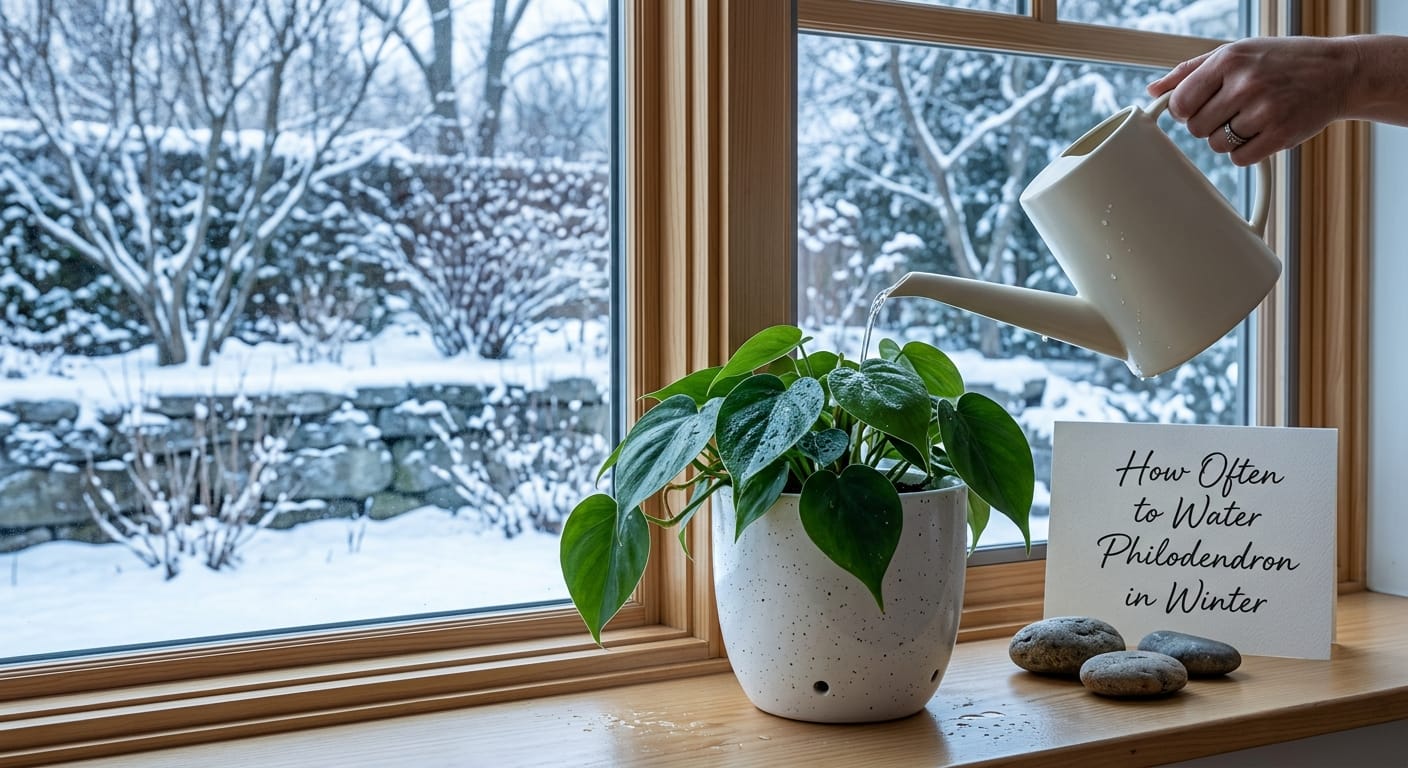
The first winter I kept a philodendron indoors, I kept watering it on the same weekly schedule I had used all summer.
The plant was not struggling with the cold — my home stays warm. It was struggling because the soil was staying wet for days longer than it had in warmer months.
Growth had slowed, light levels had dropped, and the roots simply could not move moisture through the plant fast enough to justify how often I was watering.
By the time I understood what was happening, the root system had already started to break down.
That experience took a while to fully understand because the visible symptoms — slightly dull leaves, a faint droop — looked almost identical to underwatering, which made every correction feel like a guess.
Eight years and more than 500 plants later, winter watering is the care variable I get asked about most often, and for good reason.
What works in July does not translate to January, and the reasons behind that are worth understanding before adjusting anything.
The Quick Answer
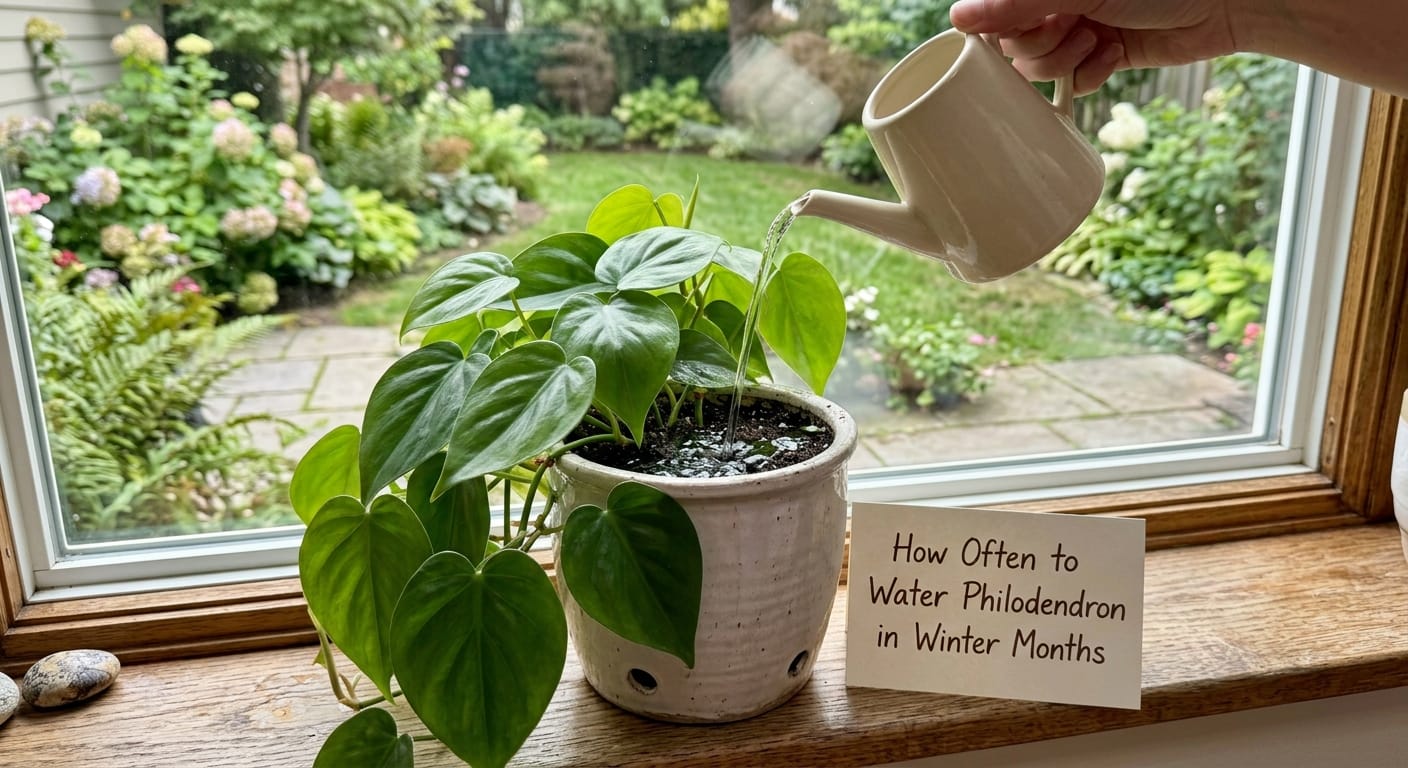
Most philodendrons need water every 10 to 21 days during winter months.
That’s a wide range, and there’s a real reason for it.
Your exact number depends on your home’s heat, light, pot size, and species.
A philodendron in a warm, dry apartment dries out faster than one in a cool room.
The real rule is simple. Check the soil, not the calendar.
Push one finger two inches into the pot before you water at all.
If it feels dry at that depth, go ahead and water it.
If it still feels damp, put the watering can down and wait.
Why Philodendrons Need Less Water in Winter
Philodendrons come from warm, humid rainforests near the equator, not chilly living rooms.
Your home’s winter conditions still slow these tropical plants down quite a bit.
Shorter days mean less light reaches your plant’s leaves each day.
Less light means less photosynthesis, and slower photosynthesis means slower growth overall.
A slower plant simply can’t drink water as fast as an actively growing one.
Cooler indoor air also slows down how quickly soil actually dries out.
Soil that dried in five summer days might take twelve or more in winter.
SDSU Extension specifically recommends reducing philodendron watering during the dormant winter months.
Extension horticulturists call this seasonal slowdown quiescence, not true dormancy.
During quiescence, plants rest and conserve energy instead of pushing new leaves.
UVM Extension notes that most houseplants naturally slow their growth once daylight hours drop.
This is completely normal. Your philodendron isn’t sick, and it isn’t dying.
Watering on a strict weekly schedule through this rest period causes real damage.
I learned that lesson the hard way with my very first Prince of Orange.
Pot Size, Material, and Drainage Change the Math
A lot of winter watering advice ignores the actual pot your plant sits in.
Terracotta pots are porous, so they pull moisture out of the soil faster.
Plastic and glazed ceramic pots hold onto moisture much longer between waterings.
A plant in a terracotta pot may need water sooner than one in plastic.
Bigger pots with more soil volume also dry out more slowly overall.
A small cutting in a tiny pot needs checking far more often in winter.
Always confirm your pot has real drainage holes before winter watering season starts.
Without drainage, excess water has nowhere to go except straight into the roots.
Quick Reference: Winter Watering by Plant Type
| Philodendron Type | Typical Winter Watering Frequency |
|---|---|
| Thin-leaf climbers (Brasil, Heartleaf) | Every 7 to 10 days |
| Self-heading types (Birkin, Silver Sword) | Every 10 to 14 days |
| Velvet-leaf types (Micans, Melanochrysum) | Every 14 to 18 days |
| Large, mature plants in big pots | Every 18 to 21 days |
Use this table as a starting point, then adjust based on your own home.
How I Actually Check My Plants Before Watering
I stopped watering on a strict calendar years ago. That habit cost me plants.
Every morning, I walk through my plant room with a cup of coffee.
I lift a few pots to feel how heavy or light they are.
A heavy pot usually still holds plenty of moisture down near the roots.
A pot that feels surprisingly light is telling me it needs water soon.
I also push one finger straight down past my first knuckle into the soil.
If my fingertip comes out completely dry, that plant is ready for water.
If it feels even slightly damp, I leave it alone for a few more days.
For thicker or deeper pots, a cheap moisture meter removes most of the guesswork.
You can find a decent one for under fifteen dollars at any garden center.
Push the metal probe down near the root zone, not just the surface.
This one habit alone will prevent most winter overwatering mistakes before they start.
Signs You Are Overwatering in Winter
Overwatering is sneaky in winter because the damage happens slowly, underground, out of sight.
Yellow leaves that feel soft or mushy are usually the first real warning sign.
Leaves can droop even while the soil underneath still feels completely wet.
A sour, swampy smell rising from the pot means trouble is already brewing.
Mushy, dark, and smelly roots have often started rotting before you ever notice.
I saw this exact pattern the year I lost several plants to root rot.
I was using heavy, dense potting soil that stayed wet for weeks straight.
Once I switched to a chunky mix with orchid bark and perlite, the rot stopped.
If you catch soggy soil early, let it dry out fully before watering again.
Signs You Are Underwatering in Winter
Underwatering looks different, and it’s usually a much easier fix.
Leaves droop but feel thin, dry, and slightly crispy along the edges.
Dry soil often pulls away from the sides of the pot completely.
Lower, older leaves may turn yellow and drop off the plant first.
New growth stalling out is normal in winter and not always a water issue.
If you’re unsure which problem you’re dealing with, my guide on Philodendron Birkin leaves curling and drooping walks through both causes.
A thorough soak in the sink usually perks up a mildly underwatered plant within hours.
Do Different Philodendron Species Need Different Winter Watering?
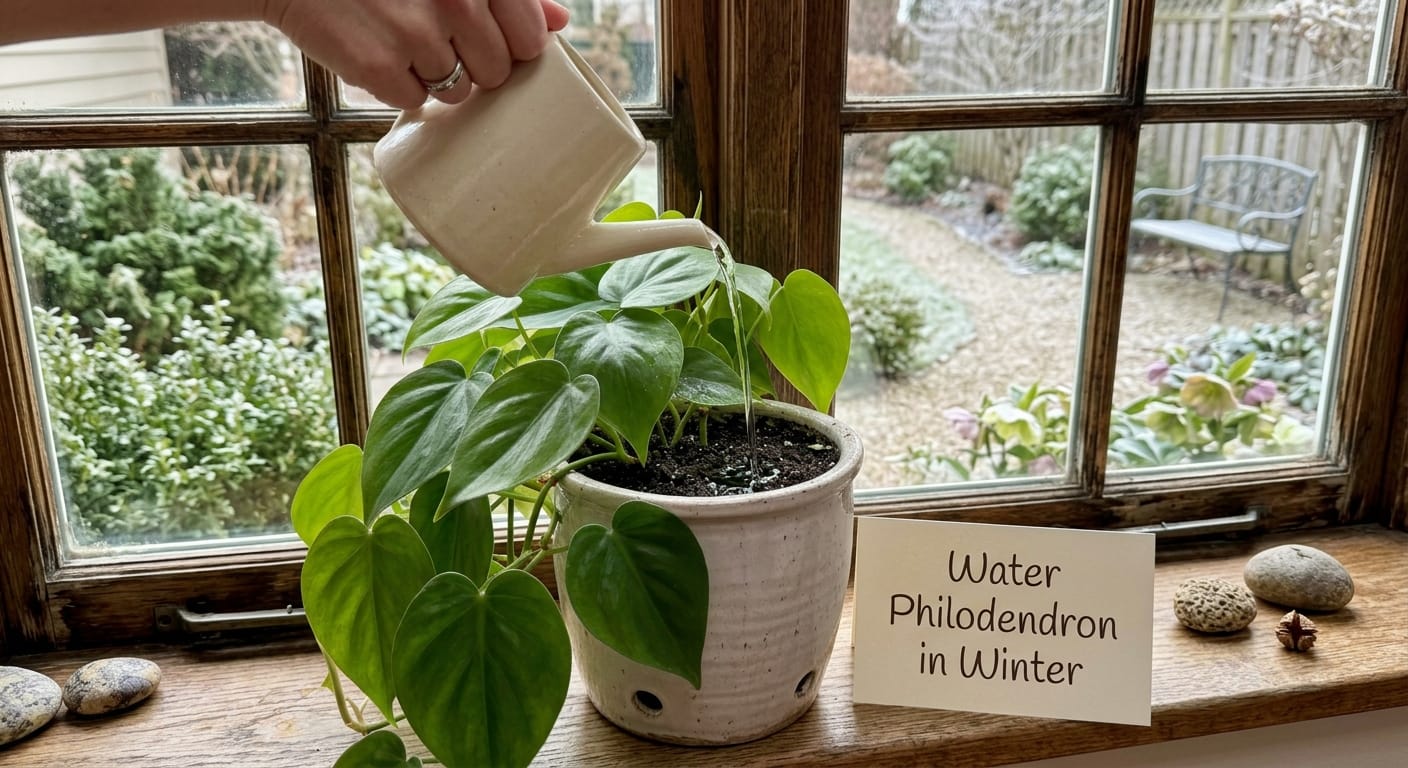
Yes, and generic care guides almost always miss this detail completely.
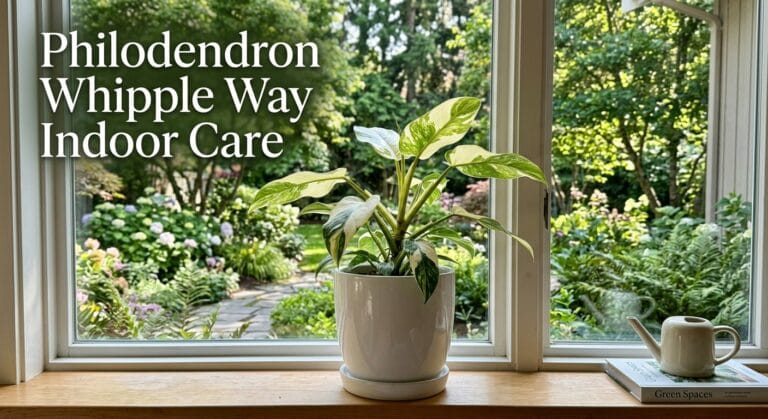
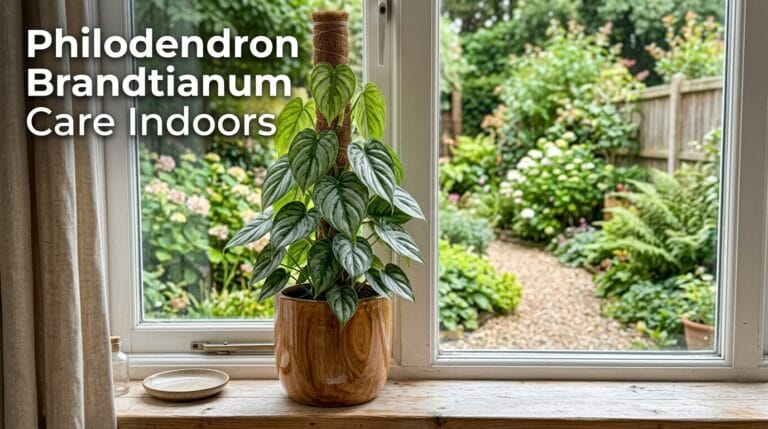
Thin-leaf climbers, like Heartleaf or Brasil, tend to dry out faster between waterings.
Their leaves are thinner, so they lose water through them more quickly.
Velvety species, like Micans, often hold moisture a little longer in their fuzzy leaves.
But velvet-leaf types are also picky about humidity, not just soil moisture alone.
My Melanochrysum sulks hard whenever winter air gets too dry around it.
Thicker, self-heading types like Birkin or Silver Sword often tolerate longer dry spells.
Bigger, more established plants in large pots also dry out much more slowly.
Match your watering habits to the specific plant in front of you, not a generic rule.
Winter Humidity Changes Everything Too
Central heating is a quiet enemy of tropical plants every single winter.
Furnaces and radiators strip a surprising amount of moisture out of indoor air.
Dry air pulls water out of leaves even when the soil is still damp.
That means you can see drooping leaves that have nothing to do with watering.
I run a small humidifier near my more sensitive velvet-leaf philodendrons all winter.
Grouping plants together naturally raises the humidity inside that little cluster too.
Cornell Cooperative Extension recommends pebble trays filled with water as a simple humidity boost.
Just keep the pot resting on top of the pebbles, never sitting in the water.
Dry winter air is also exactly when pests like spider mites on Philodendron Verrucosum tend to explode.
Low humidity is basically a welcome mat rolled out for these tiny pests.
My Weekly Winter Check-In Routine
I don’t water every plant every week once winter arrives.
Instead, I do a full walk-through inspection once a week, coffee in hand.
I check soil moisture, leaf color, and the overall look of each plant.
Only the plants that actually feel dry get watered on that day.
Everything else gets left completely alone until it genuinely needs a drink.
Once a week, I do a deeper watering session for anything that is ready.
I carry those pots to the sink and let water run straight through the drainage holes.
This flushes out mineral buildup and fully saturates the entire root ball evenly.
I let every pot drain completely before setting it back onto its saucer.
Standing water left under a pot is basically an open invitation for root rot.
Common Winter Watering Mistakes to Avoid
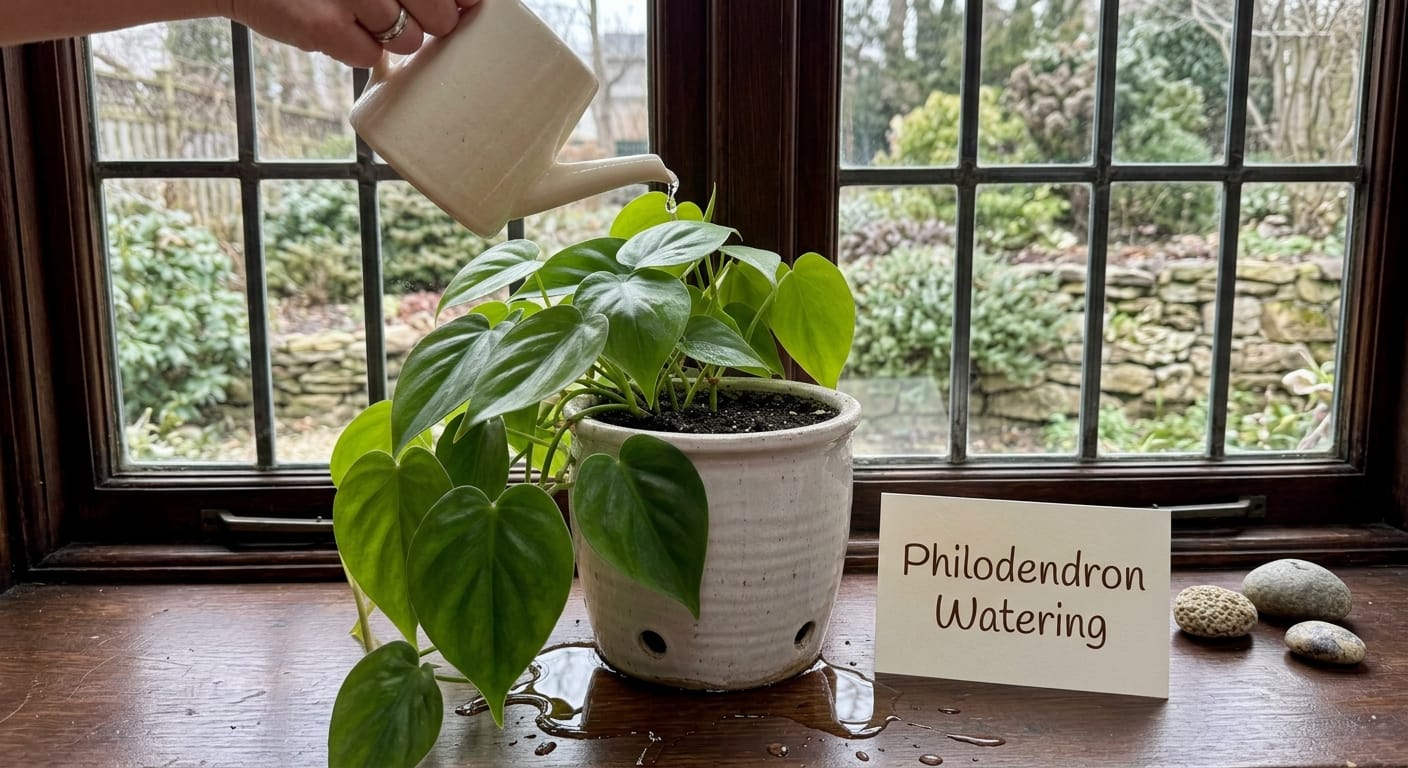
Sticking to your summer watering schedule is mistake number one, hands down.
Your plant’s water needs drop hard even if your own habits don’t change.
Using ice-cold water straight from an outdoor tap can shock tropical roots.
Let tap water sit out until it reaches room temperature before using it.
Watering on a strict day, like every single Sunday, ignores what the soil is telling you.
The soil, not the calendar, should always make the final call on watering.
Placing pots directly above heating vents dries out roots unevenly and much too fast.
Forgetting to empty saucers after watering leaves roots sitting in cold, stagnant water.
Skipping the finger test because you’re in a hurry usually backfires by spring.
A Simple Winter Watering Checklist
Check soil moisture two inches down before you even pick up the watering can.
Lift the pot. A light pot usually needs water; a heavy one usually doesn’t.
Water thoroughly until it drains from the bottom, not just a light splash.
Let the pot fully drain, then empty the saucer right away.
Wait longer between waterings than you did all summer and spring.
Watch for drooping, yellowing, or crispy edges to guide your next check.
Boost humidity separately from soil watering if leaves look sad but soil feels fine.
Frequently Asked Questions
How many weeks can a philodendron go without water in winter?
Most mature philodendrons handle two to three weeks without water during winter rest.
Smaller plants in tiny pots dry out faster and need checking more often.
Should I mist my philodendron instead of watering more in winter?
Misting raises humidity briefly but doesn’t replace watering the actual soil.
Use a humidifier or a pebble tray for lasting humidity instead of misting alone.
Does philodendron go fully dormant in winter?
Not fully. Philodendrons slow into a light rest called quiescence, not true dormancy.
Most tropical houseplants simply pause growth rather than fully shutting down for the season.
Why are my philodendron’s leaves drooping even though I water on schedule?
A rigid schedule often overwaters plants during their slower winter growth period.
Drop the schedule and switch to checking soil moisture by hand instead.
Is tap water safe for philodendrons in winter?
Plain tap water is fine for most philodendrons as long as it’s room temperature.
If your tap water is very hard, letting it sit out overnight helps a little.
Can grow lights change how often I should water in winter?
Grow lights help plants use more energy, which can slightly raise their water needs.
Still check soil moisture directly rather than assuming lights change your schedule much.
The Bottom Line
Watering a philodendron in winter comes down to one simple habit.
Stop watching the calendar and start checking the soil with your own hands.
Give your plant less water, a bit more light, and some patience.
I still check my own 500 plants this exact way every single winter.
It took a ruined Prince of Orange and a bad round of root rot to learn this early.
You don’t need to repeat the same expensive mistakes I did.
Check the soil, trust what you feel, and your philodendron will get through winter just fine.
Want more honest, real-world philodendron care from my own living room? Check out the full Philodendron Species and Care Guides on the blog, or read my full story of how I ended up with over 500 plants.