
Mastering Philodendron Care: 8 Years of Growing Experience
I’m Jeff. I’m not a certified botanist, just a dedicated plant enthusiast who has spent eight years cultivating indoor plants, diagnosing problems, and figuring out exactly what works for thriving aroids. From dialing in the perfect potting mix to mastering propagation techniques, my knowledge is built entirely on hands-on experience.
Everything shared here comes from my own trial and error with hundreds of varieties, backed by research when I needed real answers for stubborn issues like root rot or lighting needs. I also create premium care guides and video tutorials for plant parents wanting to skip the guesswork and grow lush, vibrant philodendrons.
What is a philodendron plant, really?
If a philodendron found its way into your home, there’s a good chance it happened by accident. Someone gifted you one, you saw it at the store and couldn’t walk past it, or a friend handed you a cutting they didn’t have room for anymore. That’s basically how most of us end up here, myself included.
Philodendron is a plant genus in the arum family, and most species are native to the tropical regions of Central and South America. In the wild, many start out as climbing vines and eventually grow into epiphytes, meaning they live up on other trees instead of staying rooted in soil.
Depending on which source you check, botanists currently recognize somewhere between 450 and over 600 species, and new ones are still being described. That range alone is why one single care sheet can’t fairly cover the whole genus.
I’ve grown a good number of them over the years, and even plants from the same genus can behave completely differently on my own windowsill. That’s the reason this blog exists, to walk through what each one actually needs instead of repeating advice that technically applies to none of them.
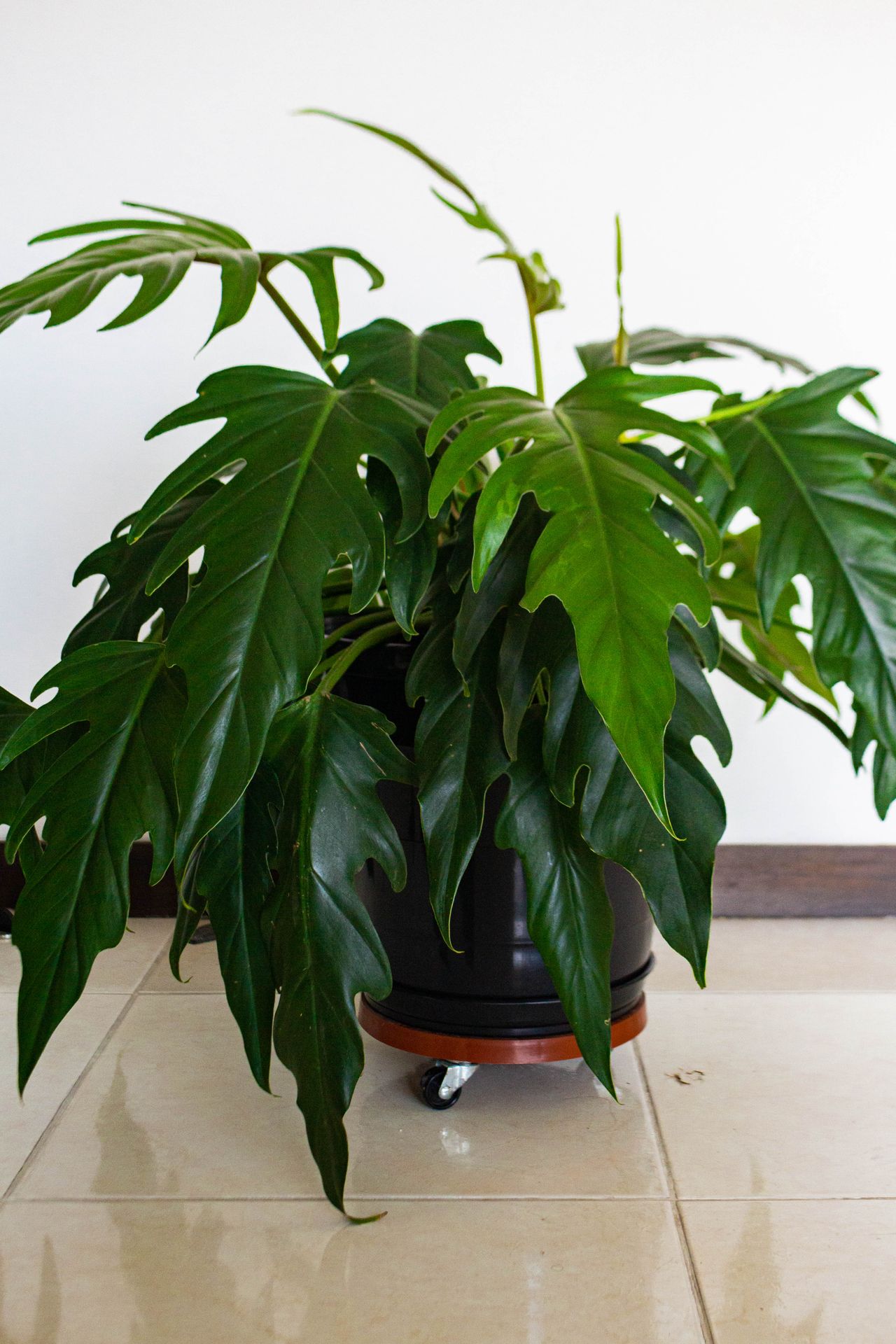
Why people get hooked on philodendrons, and why I did too
Here’s what actually keeps people collecting them, based on what I’ve noticed in my own space and picked up from other growers along the way.
A huge range to explore
Leaf shape, color, and size vary enough across the genus that collecting them rarely gets boring. There’s almost always another variety worth trying.
Many tolerate lower light
Since a lot of species grow in shaded rainforest understories in the wild, quite a few adapt reasonably well to average home lighting. Not every variety is equally forgiving though.
Easy to propagate and share
Most root readily from stem cuttings in water, which makes it simple to grow your collection or trade with other growers instead of buying every plant outright.
A small daily routine
Plenty of growers, myself included, like having a small routine built around checking on plants each week. That’s a personal preference, not a claim about wellness benefits.
Greenery without much furniture
A single pot on a shelf or a trellis by a window adds a lot of visual texture to a room without needing to rearrange anything else.
A genuinely active community
There are active forums and social groups built around trading cuttings and troubleshooting problems together, which makes it easier to figure things out than growing in isolation.
One honest note: a lot of what circulates online about houseplants purifying indoor air is overstated for a single pot on a shelf. I grow mine for how they look and the process of caring for them, not because I expect them to clean my air.
Categories we cover
Everything on this site fits into one of three buckets.
Philodendron species & care guides
Every philodendron I own gets treated a little differently, because light, humidity, and watering needs shift a lot between species. This is where I break down each one by name.
Explore care guidesPropagation guides
Water, soil, or sphagnum moss all work, but not equally well for every variety. These guides walk through the method I actually used for each plant.
Explore propagation guidesPest & disease diagnosis
Spider mites, root rot, and bacterial leaf spot can all look similar until you know what to check first. Misdiagnosing one for another can cost you the whole plant.
Explore diagnosis guidesWhat I’ve been writing about lately
These are the newest guides on the blog, usually pulled straight from whatever I’m dealing with in my own collection that week. New posts go up regularly, so it’s worth checking back if you’re working through a specific problem.
About Jefrev
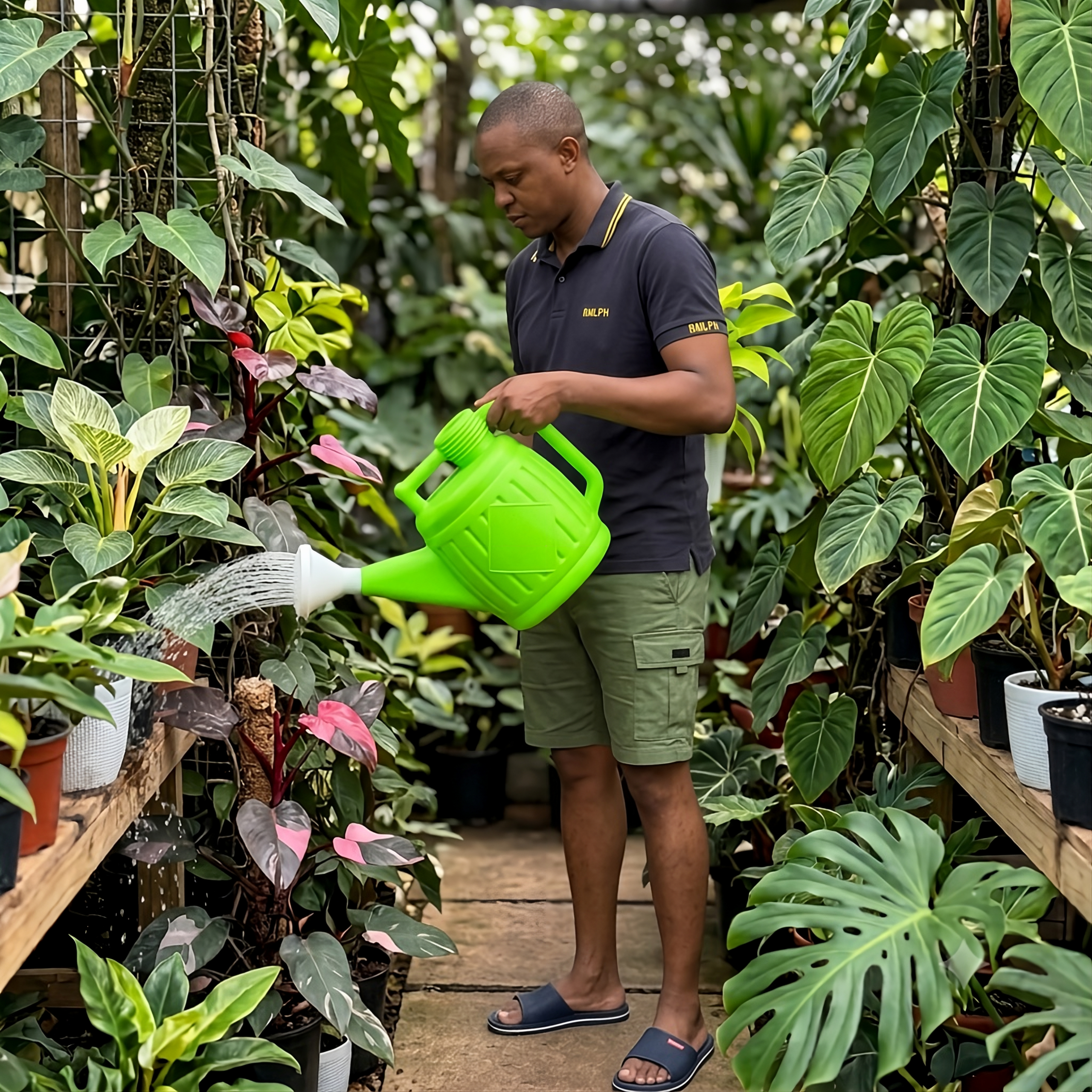
Jefrev is a one-person project. No team. No editorial board. Just me, sharing what eight years of philodendron care has taught me. This site is not run by a company or a group of writers. It is one collection, cared for by one person, since 2018.
I’m not a certified grower or a horticulturist. What I have is years of hands-on experience with these plants. Every guide comes from something I actually grew, watched, or fixed myself. I research each problem thoroughly before I write about it.
When I’m not sure about something, I say so. When I get it wrong, I go back and correct the post. What worked for me might not work exactly the same for you. Every plant, every home, and every grower’s habits are a little different.
- Care notes based on plants I’ve actually grown
- Honest troubleshooting, including what didn’t work
- Real photos from my own collection
- Paid guides and videos for anyone who wants a shortcut
Why I write this down
I started keeping notes because I kept forgetting what worked. A missed watering. A leaf that yellowed for no reason. A repot gone wrong.
Writing it down helped me remember. Sharing it helped other growers too. My goal is simple: share real, tested philodendron care — not advice recycled from somewhere else.
Where this is headed
I want Jefrev to be your first stop for philodendron questions — not a place you visit after you’ve already panicked.
That means more detailed guides ahead, more real photos from my collection, and video walkthroughs for complex steps. This is slow work, just like growing a 500-plant collection from a single gift.

A quick note
Jefrev is not a certified or registered organization. It’s a personal project, written and run by one grower. Researched carefully and shared honestly.