Why is My Philodendron Tortum Leaves Turning Yellow? (And What Actually Fixes It)

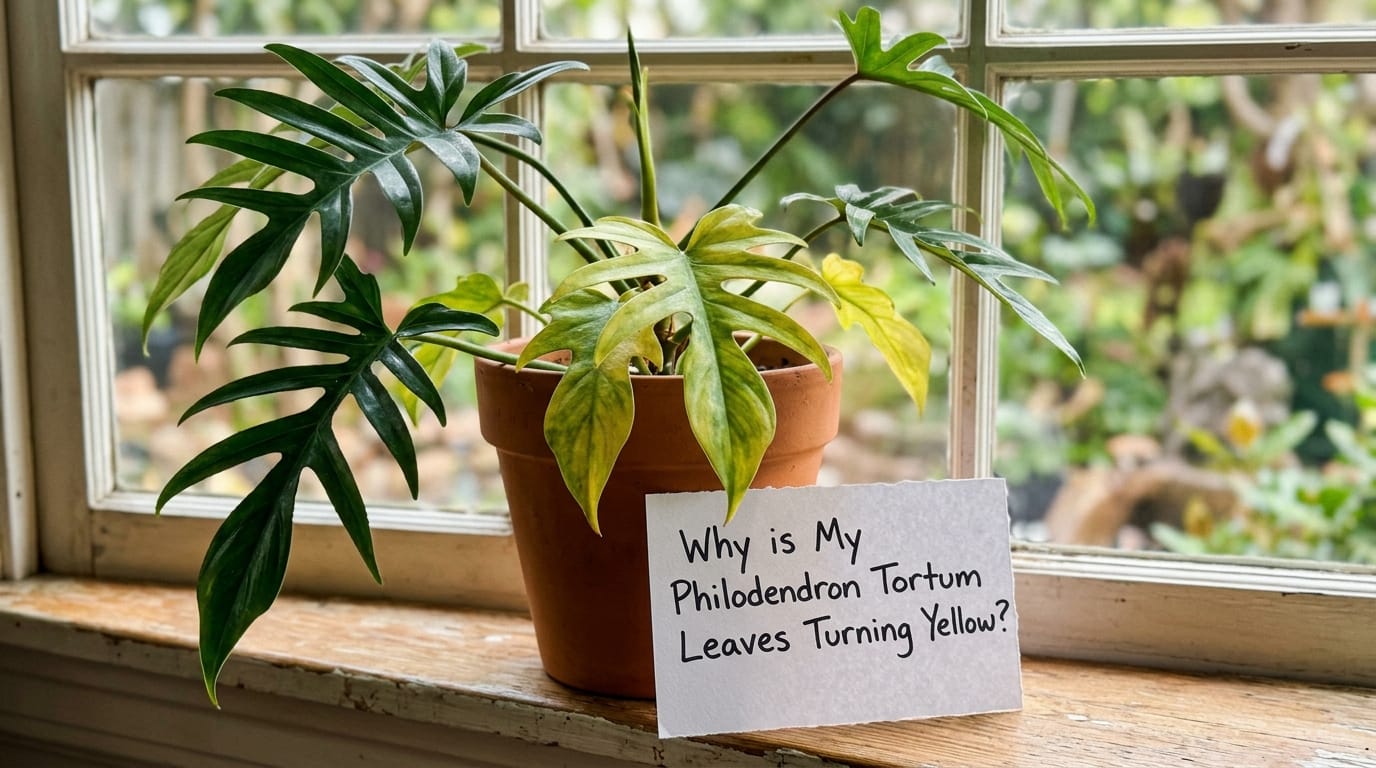
I got my first Philodendron tortum during my third year of collecting, right around the time my plant shelf started taking over the living room. It came from a trade with another grower in South Jersey. Within a month, two of its lower leaves went yellow.
I panicked a little. I had already killed my share of plants by then, but this one felt different. Tortum leaves are thin and deeply lobed, almost feathery, and they don’t hide stress the way a thick-leafed philodendron does.
Eight years and 500-plus plants later, I’ve watched yellowing happen on nearly every philodendron I own. Tortum is one of the more dramatic ones about it. Here’s what I’ve learned about why it happens and how to actually fix it.
Is Some Yellowing Just Normal?
Yes. This is the part most guides skip.
Philodendron tortum, like every philodendron, sheds its oldest leaves over time. Usually one leaf at the very bottom of the plant, closest to the soil.
If you see one lower leaf turn yellow, then brown, then drop, that’s normal aging. It’s not a crisis.
The problem starts when yellowing shows up on newer leaves. Or spreads fast across multiple leaves at once. Or hits leaves in the middle or top of the plant.
That pattern means something in the care routine needs to change.
The Most Common Cause: Overwatering and Root Rot
In my experience, this is the number one reason tortum leaves turn yellow. It’s also the mistake I made most often early on.
Philodendron tortum has a finer, more delicate root system than sturdier types like Philodendron Red Congo or Philodendron Prince of Orange. Wet soil suffocates those roots faster.
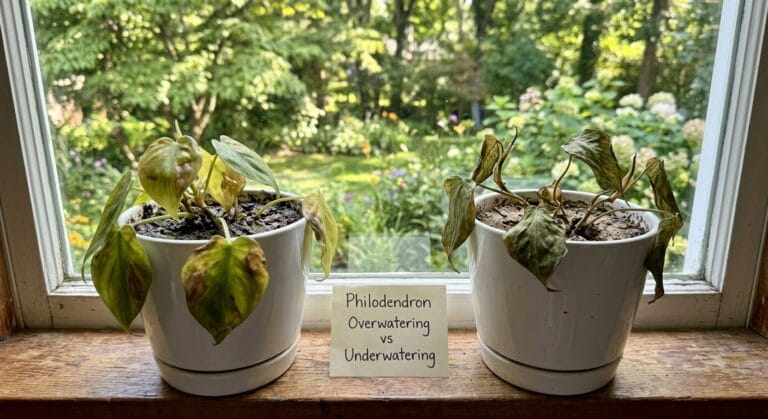
When roots sit in soggy mix, they can’t absorb oxygen properly. The plant responds by yellowing leaves, usually starting with lower or older growth first.
Here’s how to check if this is your issue.
- Leaves feel soft or mushy, not just yellow but limp.
- The soil stays wet for more than a week after watering.
- You can smell something sour or swampy near the pot.
- Roots look brown or black and mushy when you check them.
If you spot these signs, pull the plant out of its pot. Healthy tortum roots are pale, firm, and slightly springy.
Trim away any dark, slimy roots with clean scissors. Repot into fresh, well-draining aroid mix right away.
I use a blend of orchid bark, perlite, and a peat-free potting mix for my tortums. It drains fast and still holds enough moisture between waterings.
The University of Florida’s IFAS Extension notes that most houseplant root rot problems trace back to soil that stays wet too long, not to the frequency of watering itself. gardeningsolutions.ifas.ufl.edu
That distinction matters. Watering every week isn’t the issue. Watering into soil that hasn’t dried out yet is.
Underwatering Can Cause Yellow Leaves Too
This one surprises people. Yellow doesn’t always mean too much water.
When a tortum goes too long without water, its leaves can turn yellow and crispy at the same time. The whole leaf feels dry and thin instead of soft.
You’ll also notice the soil pulling away from the pot’s edges. And the potting mix will feel bone dry several inches down.
Tortum likes its top inch or two of soil to dry out between waterings. Not the entire pot.
I check mine with a wooden chopstick pushed into the soil. If it comes out dry and clean, it’s time to water.
Light Problems: Too Much or Too Little
Philodendron tortum grows under filtered rainforest canopy in its native range in Brazil. That matters more than most care sheets mention.
Direct afternoon sun through a window can scorch and bleach tortum leaves. The yellowing here usually starts as a faded, washed-out patch rather than an even yellow.
Too little light causes a different kind of yellowing. Leaves turn a pale, weak yellow-green, and new growth comes in smaller than the leaves before it.
I keep my tortum about three feet back from an east-facing window. Bright, indirect light all morning, no harsh rays.
If your space doesn’t get much natural light, a simple grow light on a timer solves this without much fuss.
Nutrient Deficiency: The Cause People Miss
This is where a lot of generic advice falls short. Not all yellowing from nutrients looks the same.
The pattern of the yellowing tells you which nutrient is missing. This table breaks down the differences I’ve learned to spot.
| Deficiency | What It Looks Like | Where It Shows Up |
|---|---|---|
| Nitrogen | Whole leaf turns pale yellow evenly | Oldest, lowest leaves first |
| Magnesium | Yellow between the veins, veins stay green | Older to middle leaves |
| Iron | Yellow between veins, veins stay green | New growth at the top |
| Potassium | Yellow edges with brown, crispy tips | Older leaves |
Nitrogen deficiency is the one I see most in tortum, especially in plants that haven’t been fed in six months or more.
Philodendrons growing in pots use up available nutrients faster than plants in the ground. Regular feeding matters more than people expect.
I feed my tortum a diluted balanced liquid fertilizer every four weeks during spring and summer. Half strength, never full strength.
Clemson Cooperative Extension recommends diluting houseplant fertilizer to roughly half the label rate to avoid salt buildup in the soil. hgic.clemson.edu
That salt buildup is its own yellowing culprit. Too much fertilizer can burn roots and cause yellow, crispy leaf edges.
If you’ve been feeding heavily, flush the soil. Run plain water through the pot several times to wash out excess salts.
Low Humidity and Temperature Swings
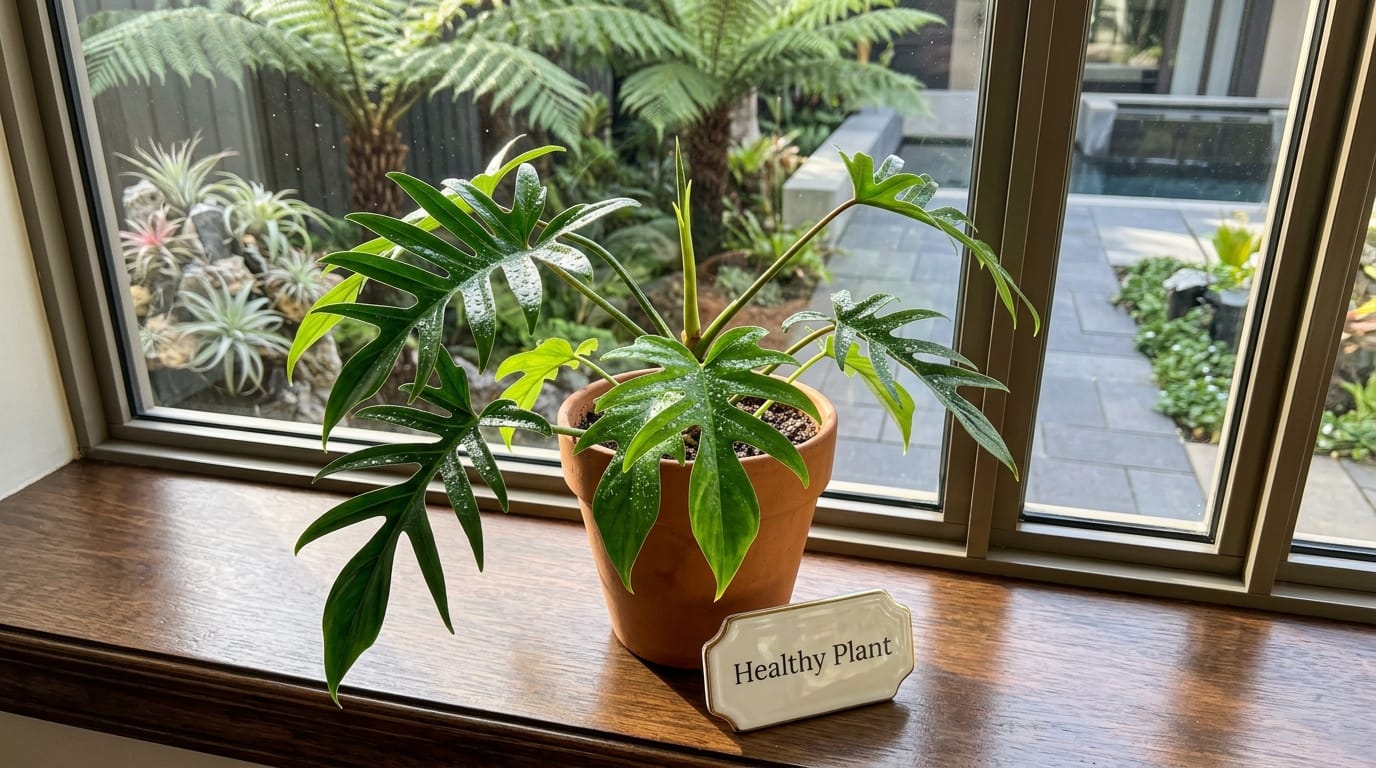
Tortum comes from a humid tropical environment. Dry indoor air, especially in winter, stresses it in ways that show up as yellowing edges or tips.
Central heating and air conditioning both pull moisture out of the air fast. Most homes sit well below the 60% humidity tortum prefers.
I run a small humidifier near my aroid shelf from October through April. It made a noticeable difference in leaf quality within a few weeks.
Cold drafts cause a similar stress response. Keep tortum away from drafty windows, doors, and air vents.
Sudden temperature drops below 55°F can shock the plant enough to trigger yellowing within days.
Pests Hiding in Plain Sight
Sometimes yellowing isn’t about water, light, or nutrients at all. It’s bugs.
Spider mites are the biggest pest issue I’ve dealt with on thin-leafed philodendrons like tortum. They’re tiny and easy to miss at first.
Look for fine yellow stippling, almost like tiny dots, scattered across the leaf surface. Check the undersides for fine webbing.
Thrips and mealybugs can cause similar yellow speckling. A magnifying glass or your phone camera zoomed in helps a lot here.
If you find pests, isolate the plant immediately. Treat with insecticidal soap or neem oil, following the label instructions closely.
Missouri Botanical Garden’s plant health guidance notes that spider mite damage often gets misdiagnosed as a nutrient or watering problem because the yellowing looks so similar at first glance. missouribotanicalgarden.org
That mix-up cost me weeks with one of my Philodendron Micans plants a few years back. I kept adjusting watering when the real issue was mites the whole time.
Water Quality Matters More Than You’d Think
Tap water in a lot of US cities contains chlorine, chloramine, or fluoride. Sensitive plants like tortum can react to buildup over time.
Signs include yellow leaf tips or edges that show up gradually, not all at once. The rest of the leaf usually stays green and healthy.
I let tap water sit out for 24 hours before using it, which lets some chlorine evaporate. Filtered or rainwater works even better if you have it on hand.
Hard water with lots of dissolved minerals can also leave a white crust on the soil surface. That’s another clue worth checking for.
A Quick Diagnostic Checklist
Before you change anything, work through this list. It saves you from fixing the wrong problem.
- Check the leaf pattern. Even yellowing, blotchy yellowing, or spotted yellowing all point to different causes.
- Check the soil moisture. Wet and heavy points to overwatering. Dry and light points to underwatering.
- Pull the plant and inspect the roots. Firm and pale means healthy. Mushy and dark means rot.
- Check the undersides of leaves for pests with a magnifying glass or phone camera.
- Think back on your last feeding. Too long ago or too recent both matter.
- Consider the season and your home’s humidity and temperature right now.
Most of the time, the answer becomes clear once you go through these steps in order.
How Long Does Recovery Take?
This is the part nobody wants to hear. Recovery is slow.
Once you fix the underlying issue, existing yellow leaves usually don’t turn green again. That leaf’s chlorophyll damage is permanent.
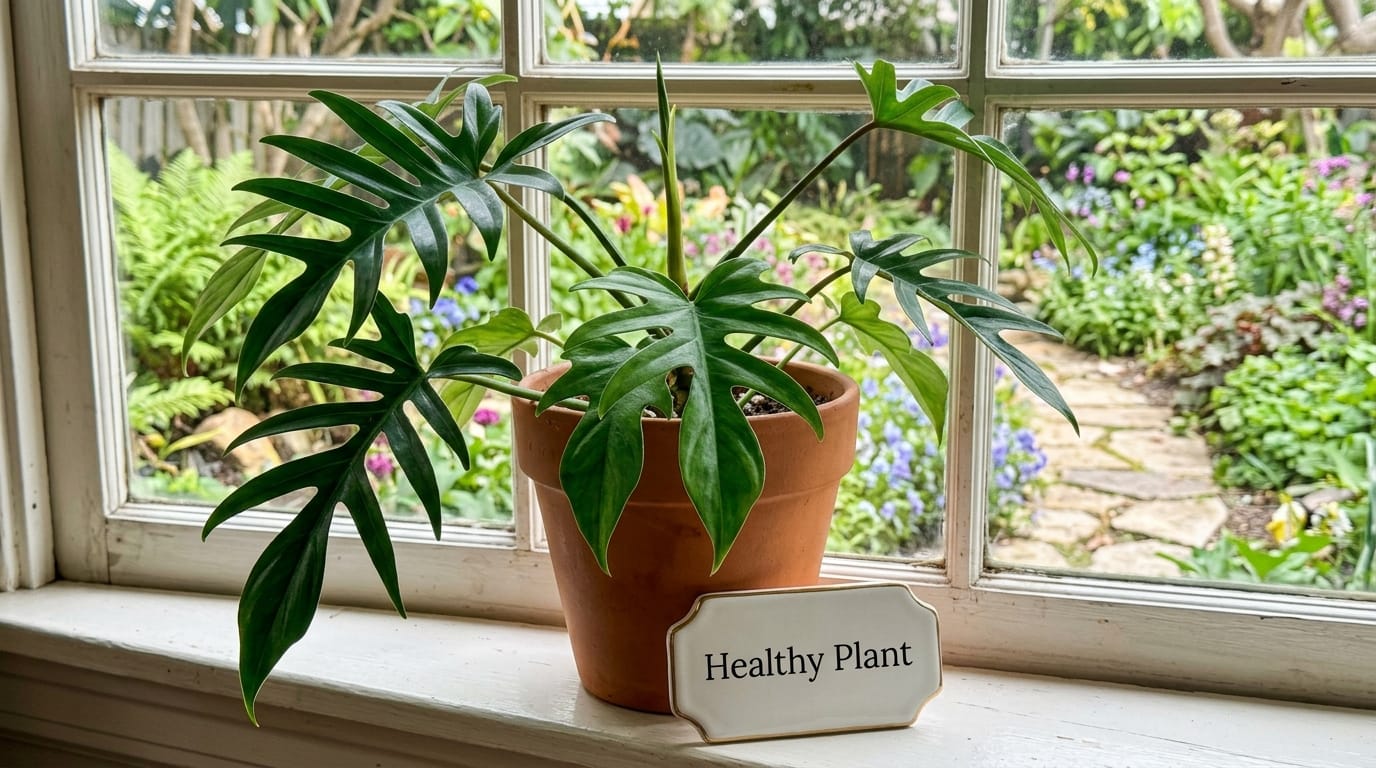
What you’re watching for is new growth. Healthy new leaves coming in green is the real sign the fix worked.
For root rot recovery, expect two to four weeks before you see meaningful new growth. Nutrient and light fixes usually show results faster, often within one to two weeks.
Be patient and resist the urge to keep changing things. Give one fix time to work before trying another.
My Go-To Prevention Routine
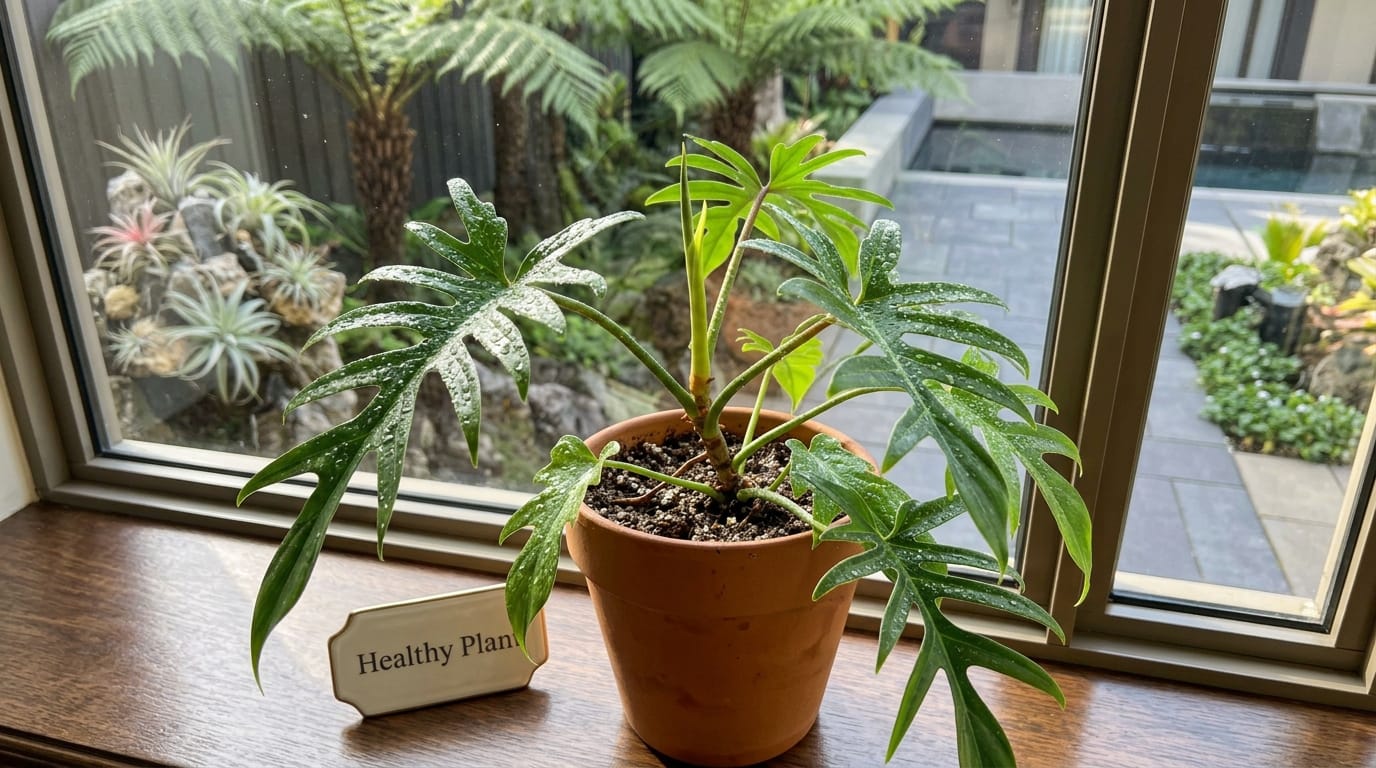
After years of trial and error, here’s the routine that keeps my tortum consistently green.
- Water only when the top two inches of soil are dry.
- Feed lightly every four weeks during the growing season, skip winter feeding.
- Keep it in bright, indirect light, away from direct afternoon sun.
- Run a humidifier nearby during dry months.
- Check leaf undersides for pests every time I water.
- Repot every 12 to 18 months with fresh, fast-draining aroid mix.
None of this is complicated. It’s just consistent.
If you’re building out your collection and want to compare care needs across species, my guides on Philodendron Micans care and Philodendron Melanochrysum care cover similar humidity and watering principles.
For a deeper look at pest identification specifically, my Pest and Diseases Diagnosis category walks through more species-specific symptoms.
Frequently Asked Questions
Should I cut off yellow leaves on my Philodendron tortum?
Yes, once a leaf turns fully yellow or brown, trim it off. The plant redirects energy to new growth instead.
Can a yellow leaf turn green again?
No, once chlorophyll breaks down in a leaf, that damage stays. Focus on new growth as your recovery marker instead.
Is yellowing always a sign my plant is dying?
Not usually. One or two yellow lower leaves are normal aging. Multiple leaves yellowing fast is the real warning sign.
How often should I water Philodendron tortum?
There’s no fixed schedule. Water when the top two inches of soil feel dry, which might be every 7 to 12 days depending on your home.
Does Philodendron tortum need a moss pole?
It benefits from one as it matures. Climbing support encourages larger, more mature leaf shapes and can reduce stress-related yellowing over time.
A Final Note
I started writing down what worked and what didn’t because I kept forgetting between plants. Yellow leaves taught me more about root health than any care sheet ever did.
If you’re still stuck after working through this, I answer plant questions through my contact page most Tuesday and Thursday mornings. Send a photo if you can. It genuinely helps narrow down what’s going on.
Your tortum will bounce back. Mine always does, eventually, once I stop overthinking it and just fix the soil.